Home
Nakba
BFA Hub
About Us
Contact


Meet Mahrous

Mahrous Bseiso stands at the beginning of a story carried through land, family, and memory.

Mr. Mahrous was born to an affluent family in Jerusalem towards the end of the 19th century and the Ottoman rule to the region

His father, Mustafa Afandi, was a prominent pan-Palestine businessperson. The Bseiso family, to which Mahrous belongs, are a renowned elite family across the Levant and is a branch of the illustrious Kayali family. Mr. Mahrous had, therefore, multiple familial connections and exposure to business ventures in major Palestinian cities including Jaffa, Jerusalem, and Gaza.

Upon graduating school in Jerusalem, Mahrous started off his first successful business ventures in Jerusalem. He married and started a family of four in Jerusalem. However, the astute businessman sought opportunities in the virgin lands of south Palestine and began scoping the towns and areas to the south of Jerusalem.

He finally decided on Bi’r Al-Sab’ with the vision of bringing this underexplored town to the ranks of such cities, like Jerusalem and Jaffa.

1900’s


In Bi’r Al-Sab’: the early years

In the early 1900’s, Mr. Mahrous relocated to Bi’r Al-Sab’ which, then, was the center of the Ottoman district of the same name. Mahrous was not alone there, for his uncle Sha’aban and some of his immediate family members started business opportunities there.

Beginning anew in Bi’r Al-Sab’, Mahrous remarried to Hajjah Jawaher Numan-Bseiso. They had eight children, one of whom was Jawdat who would accompany his father throughout the years.

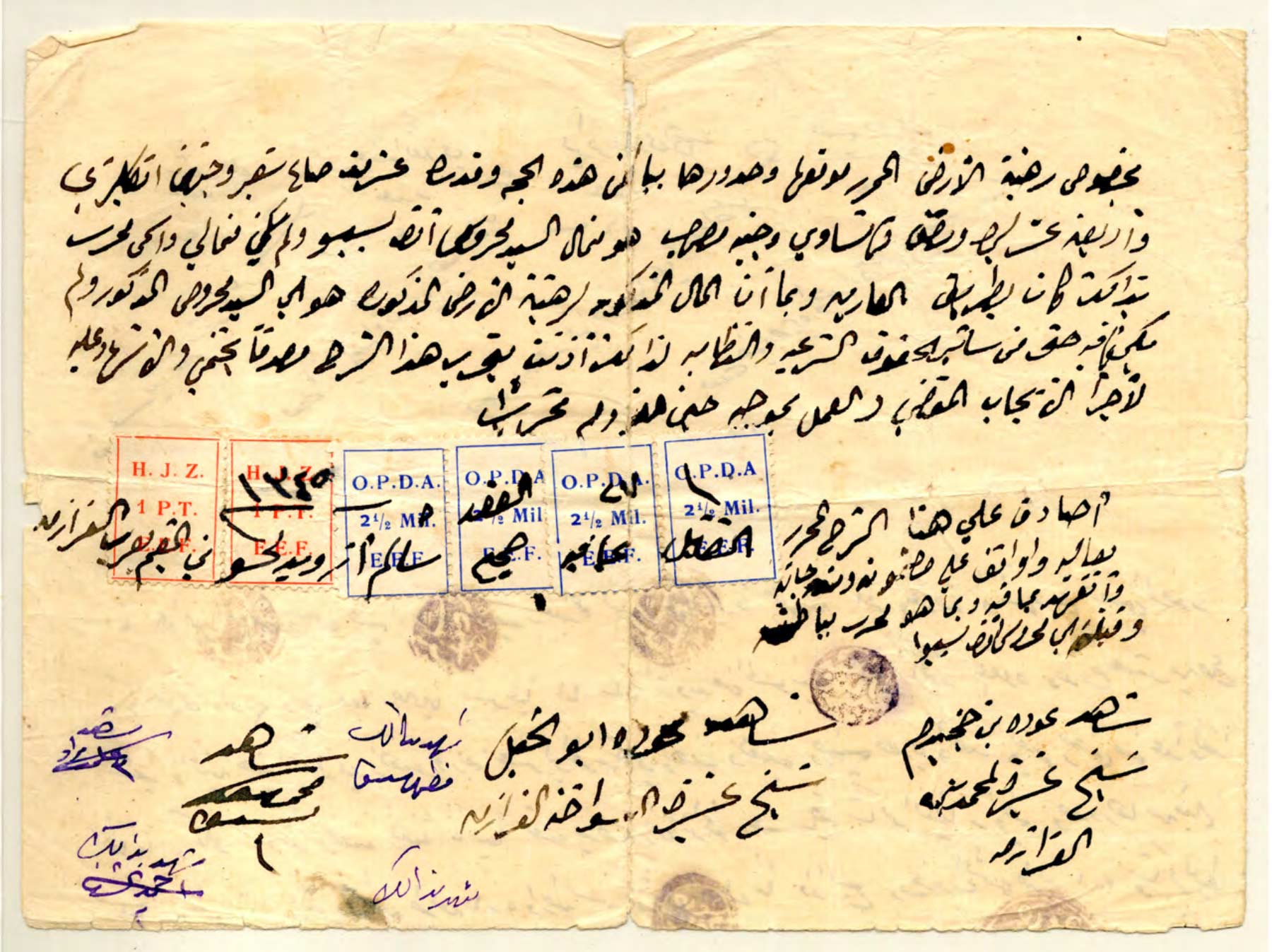
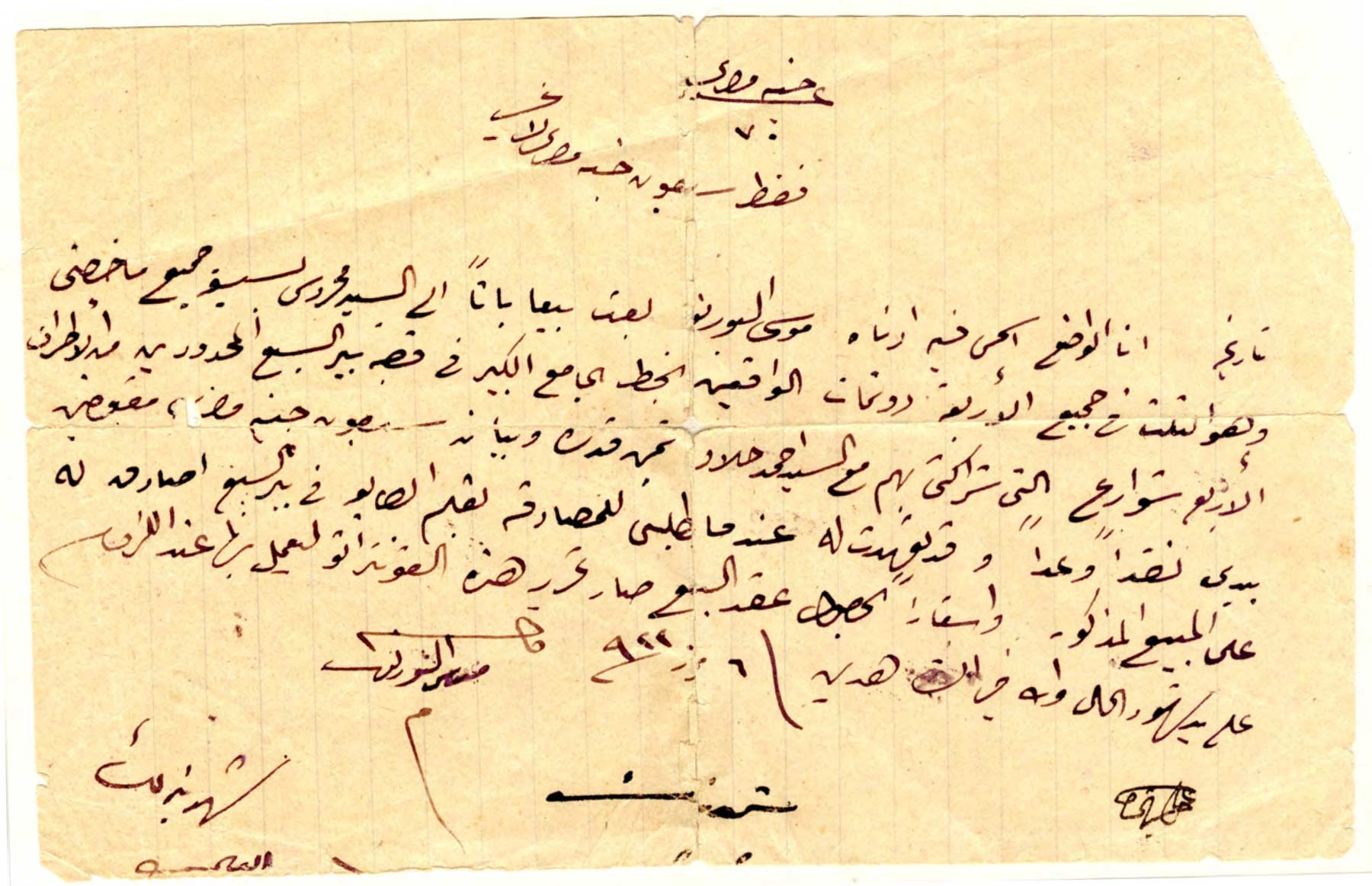
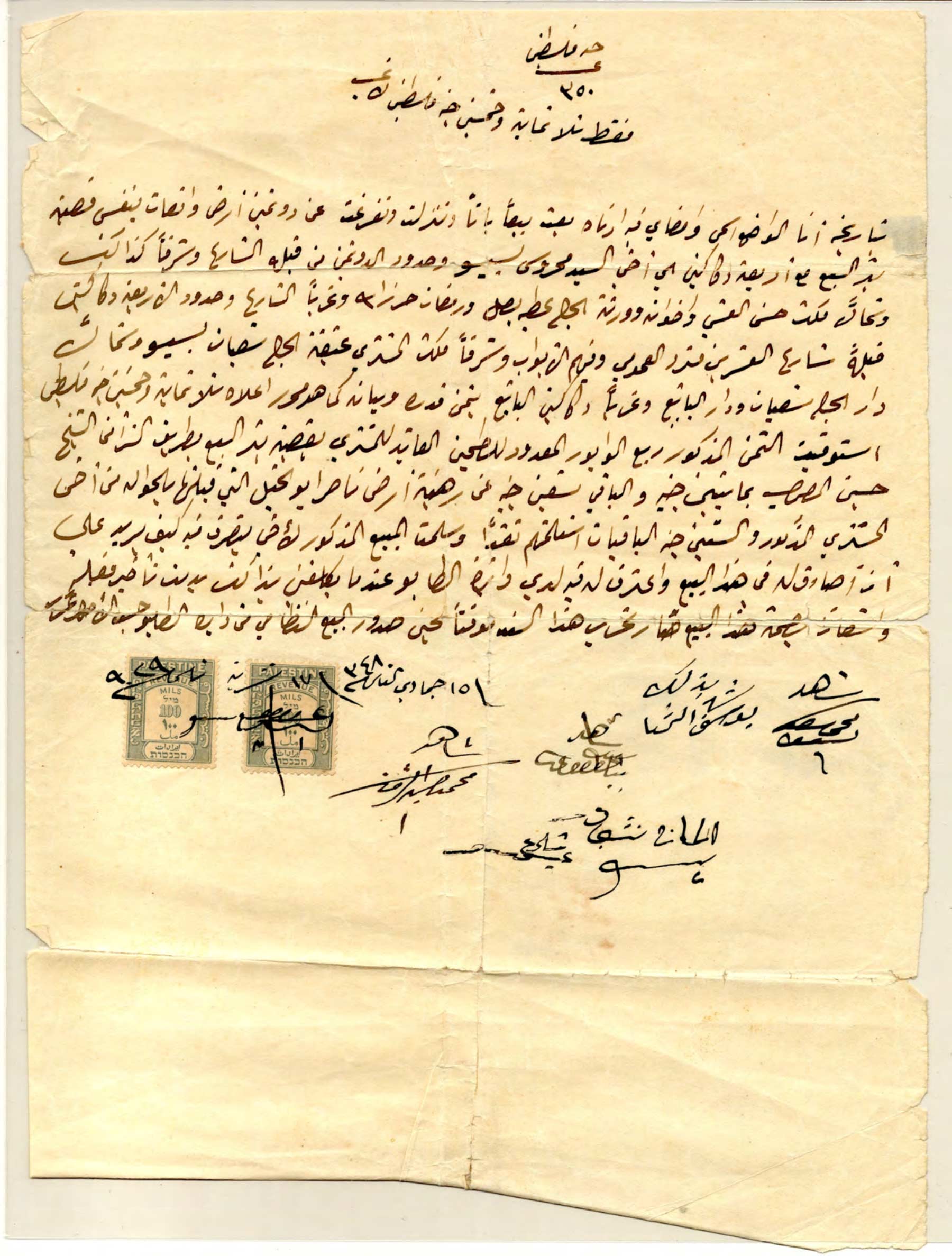
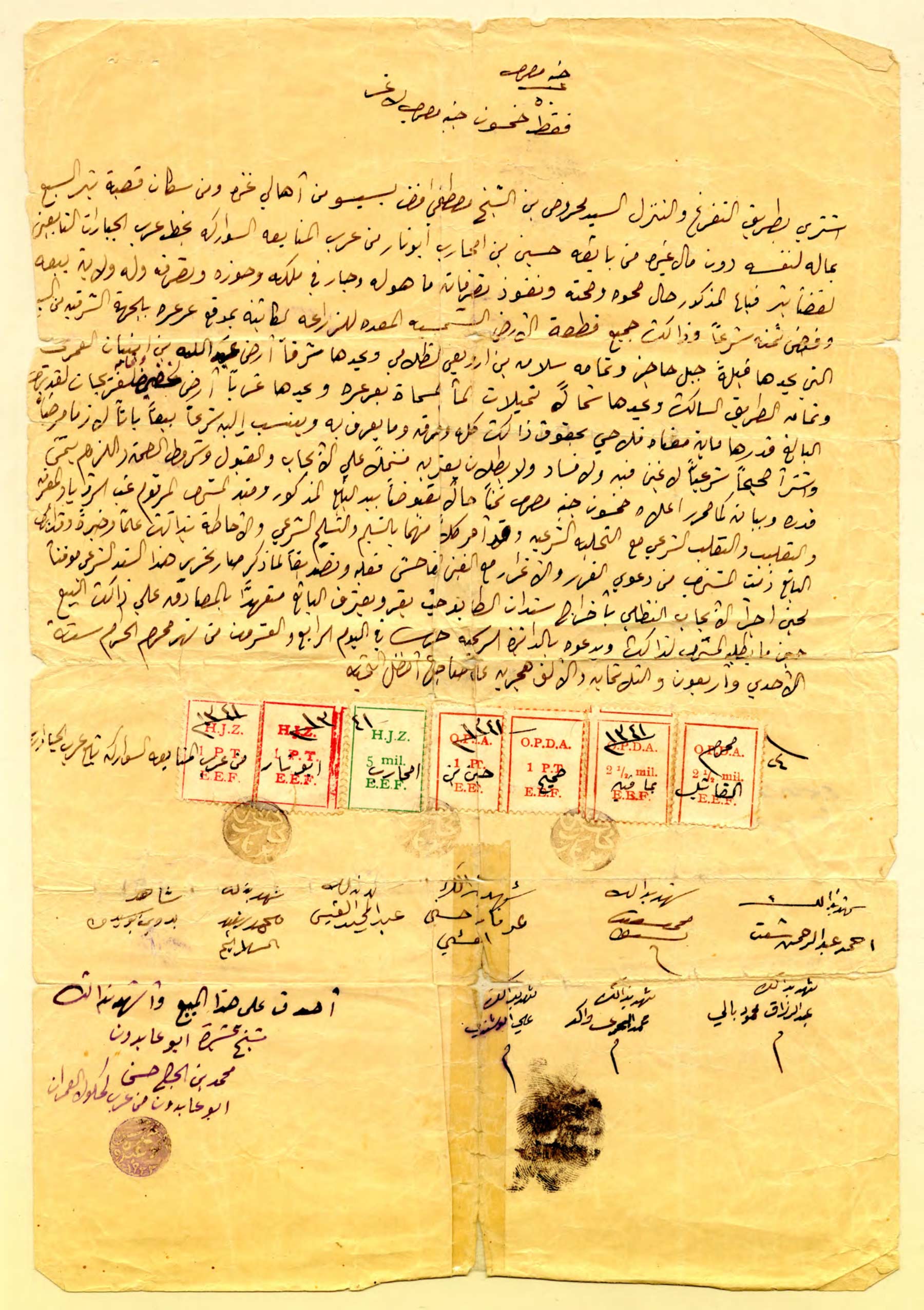
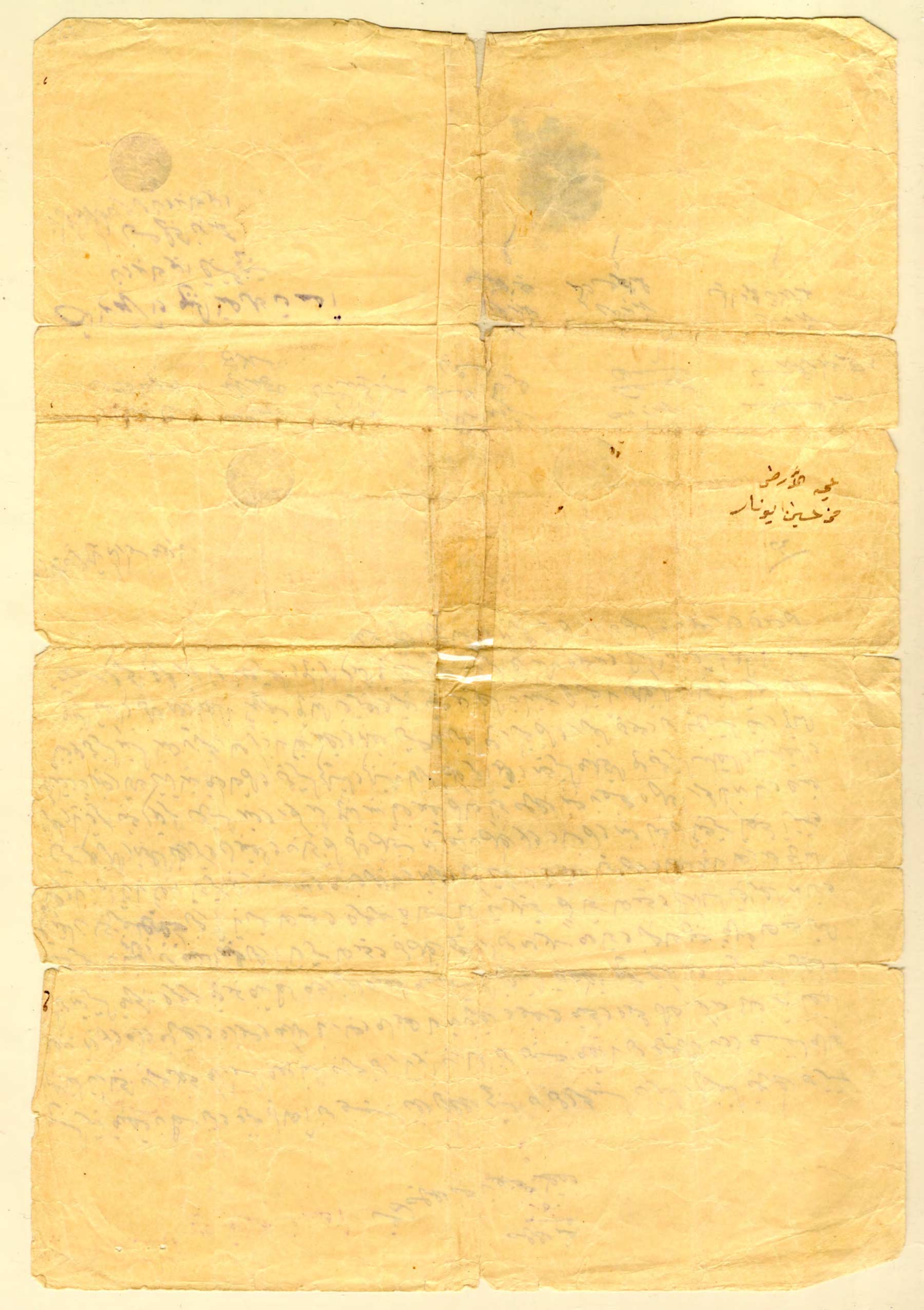
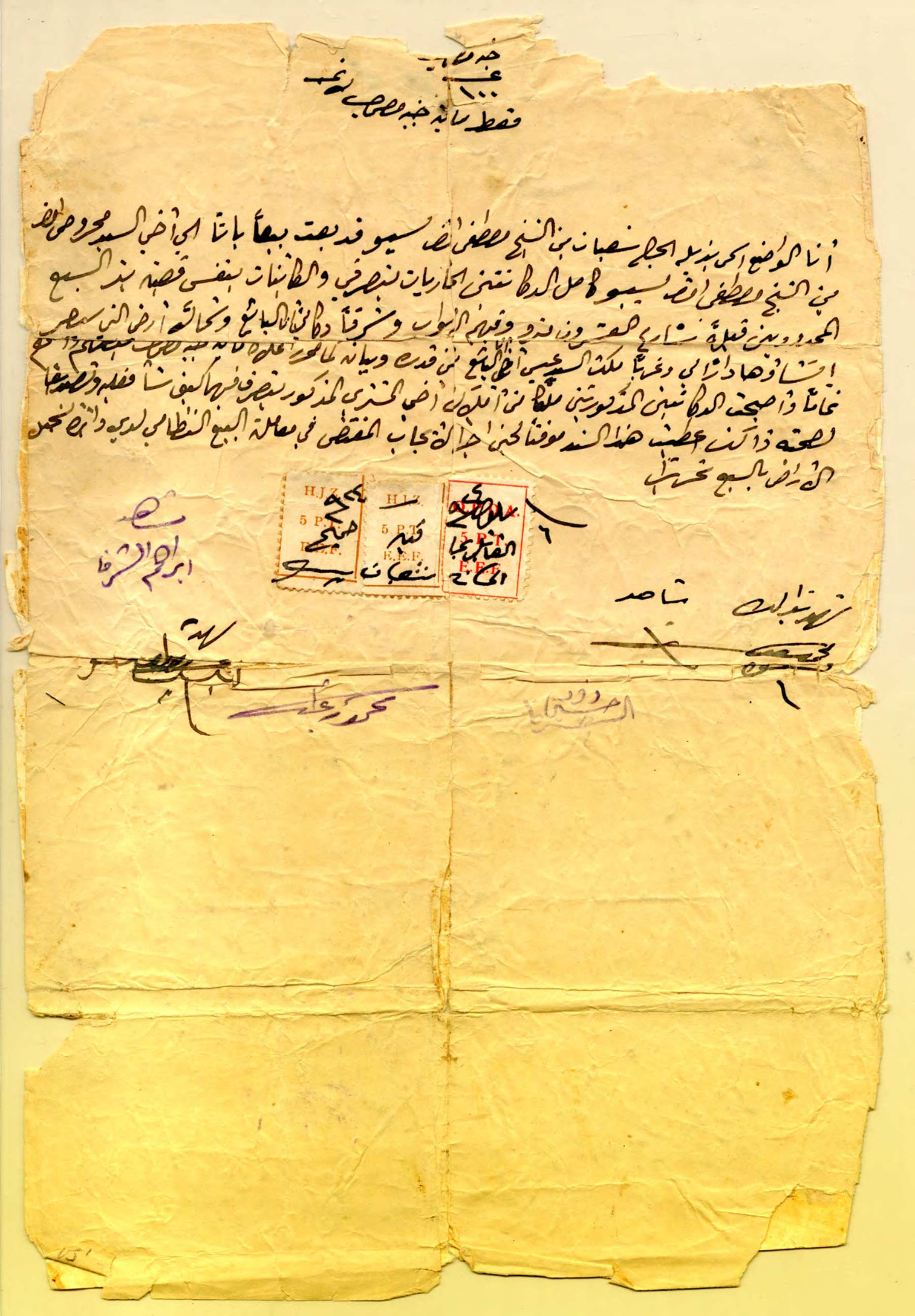
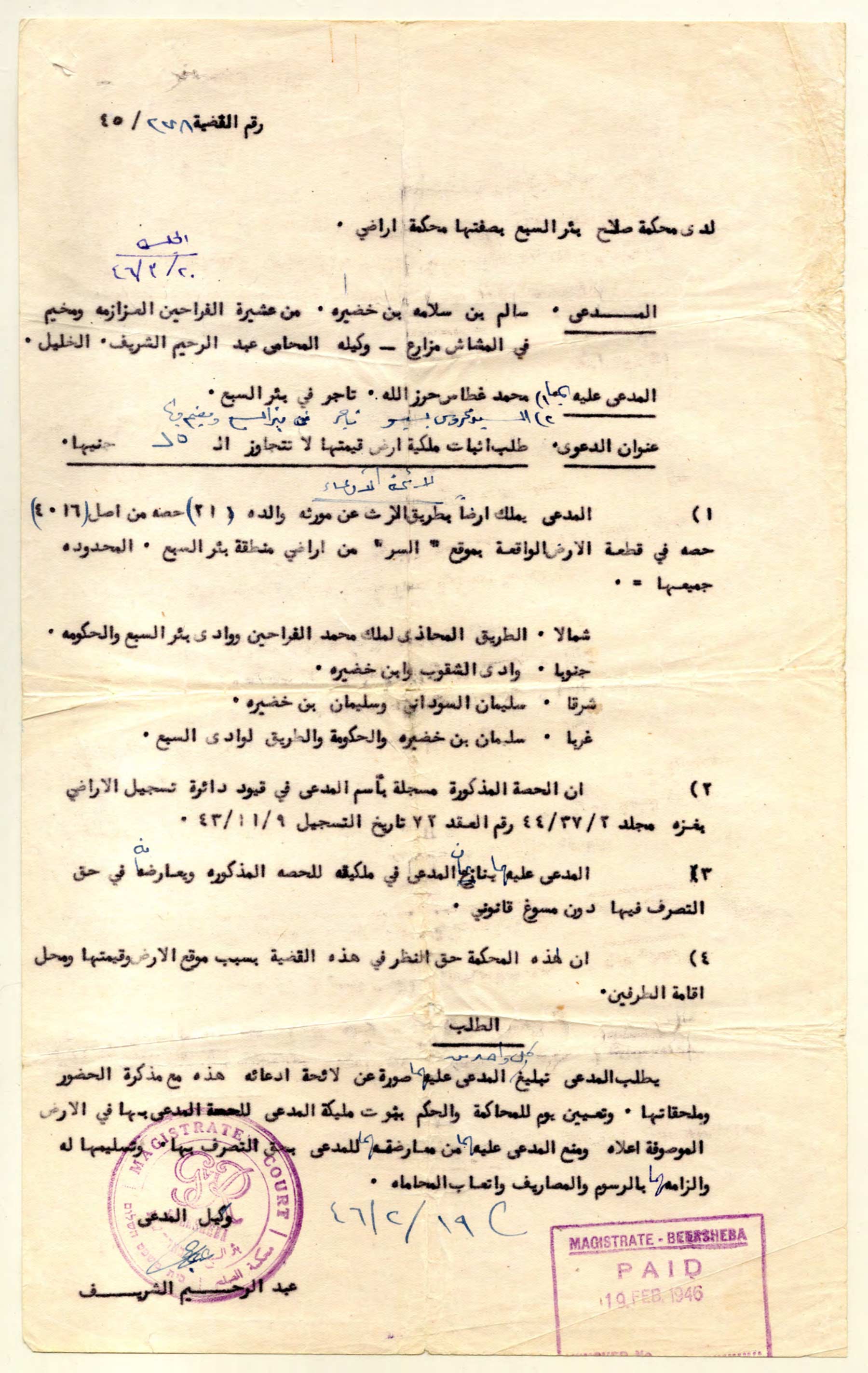
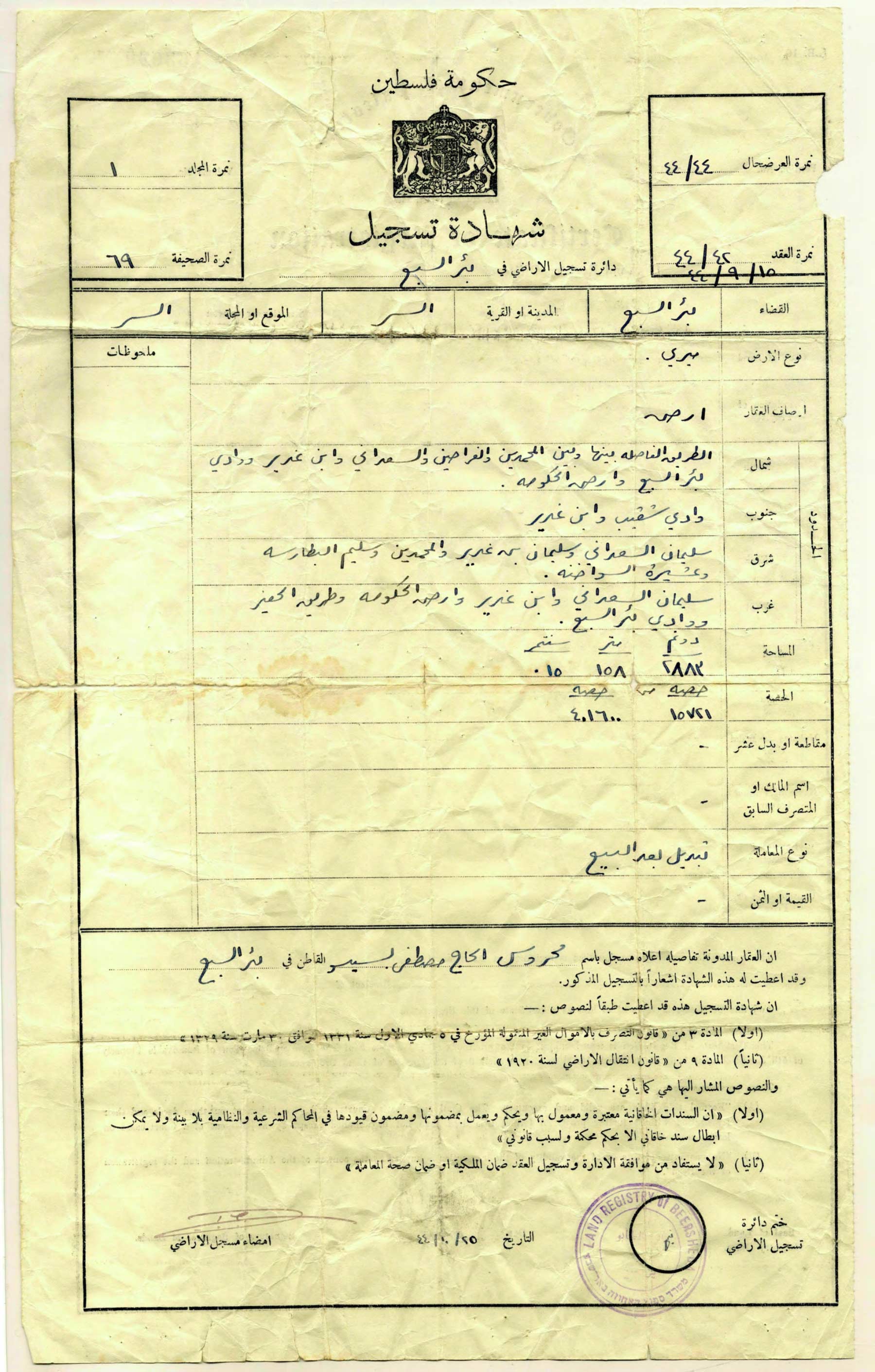
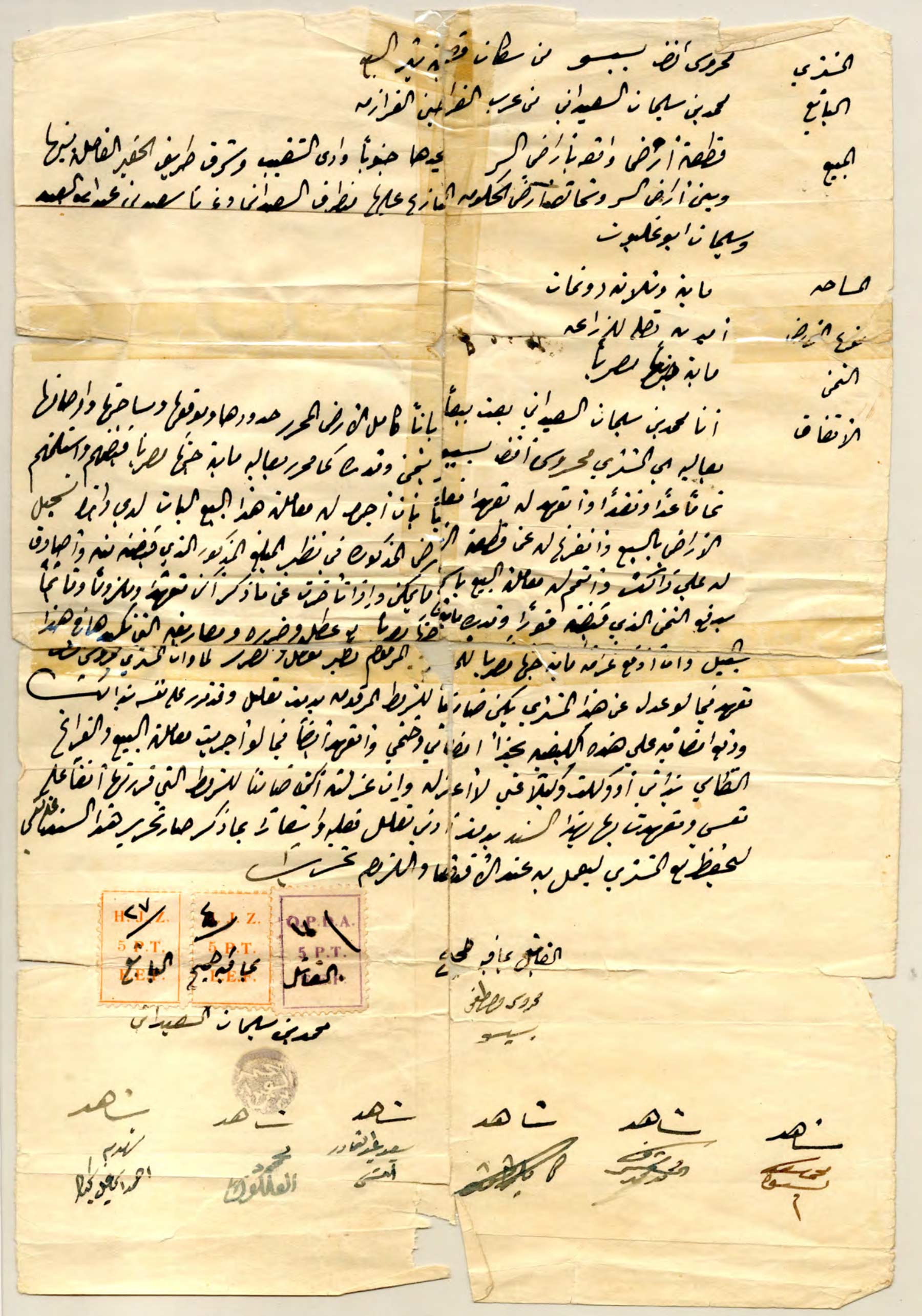
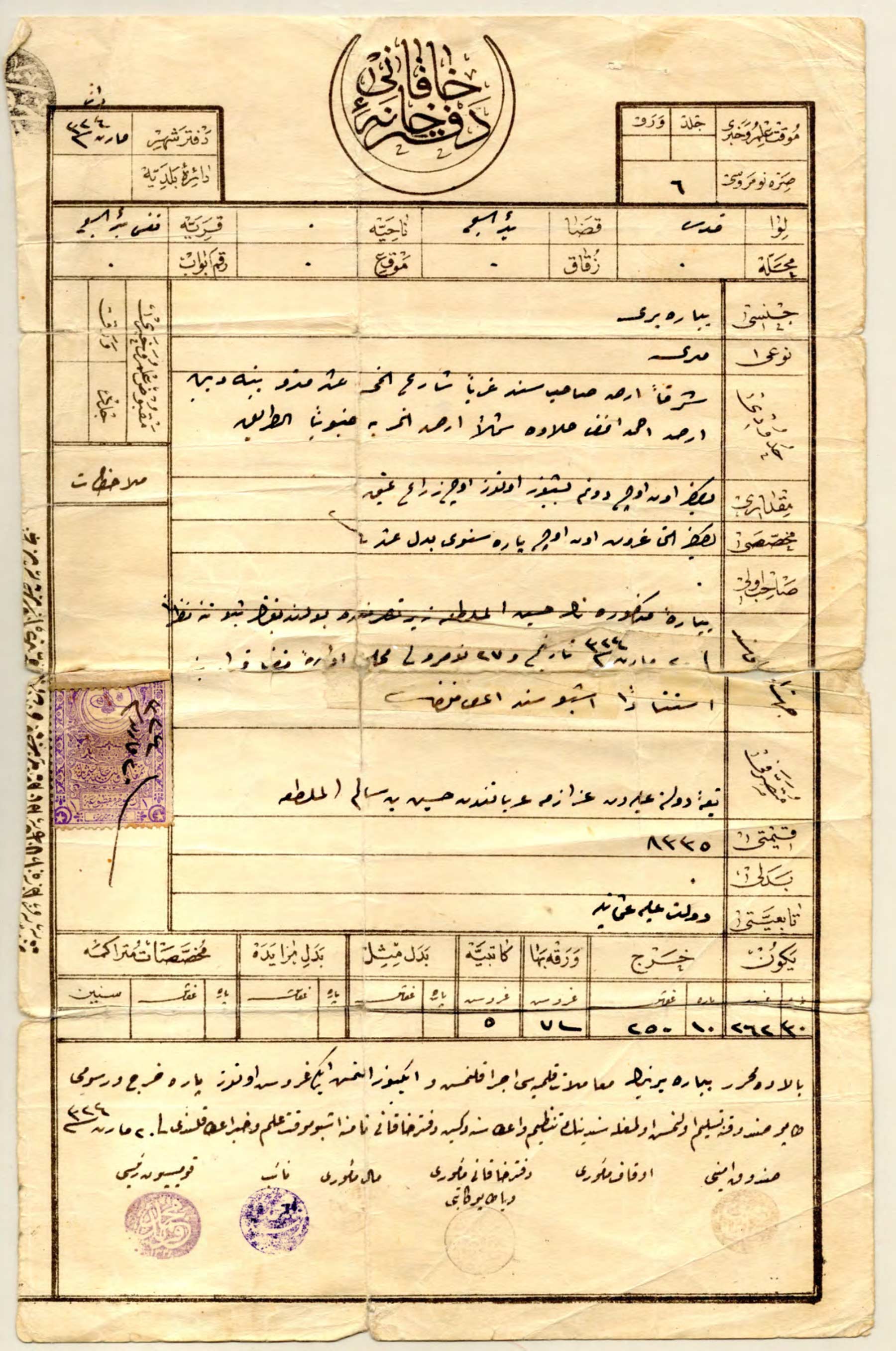
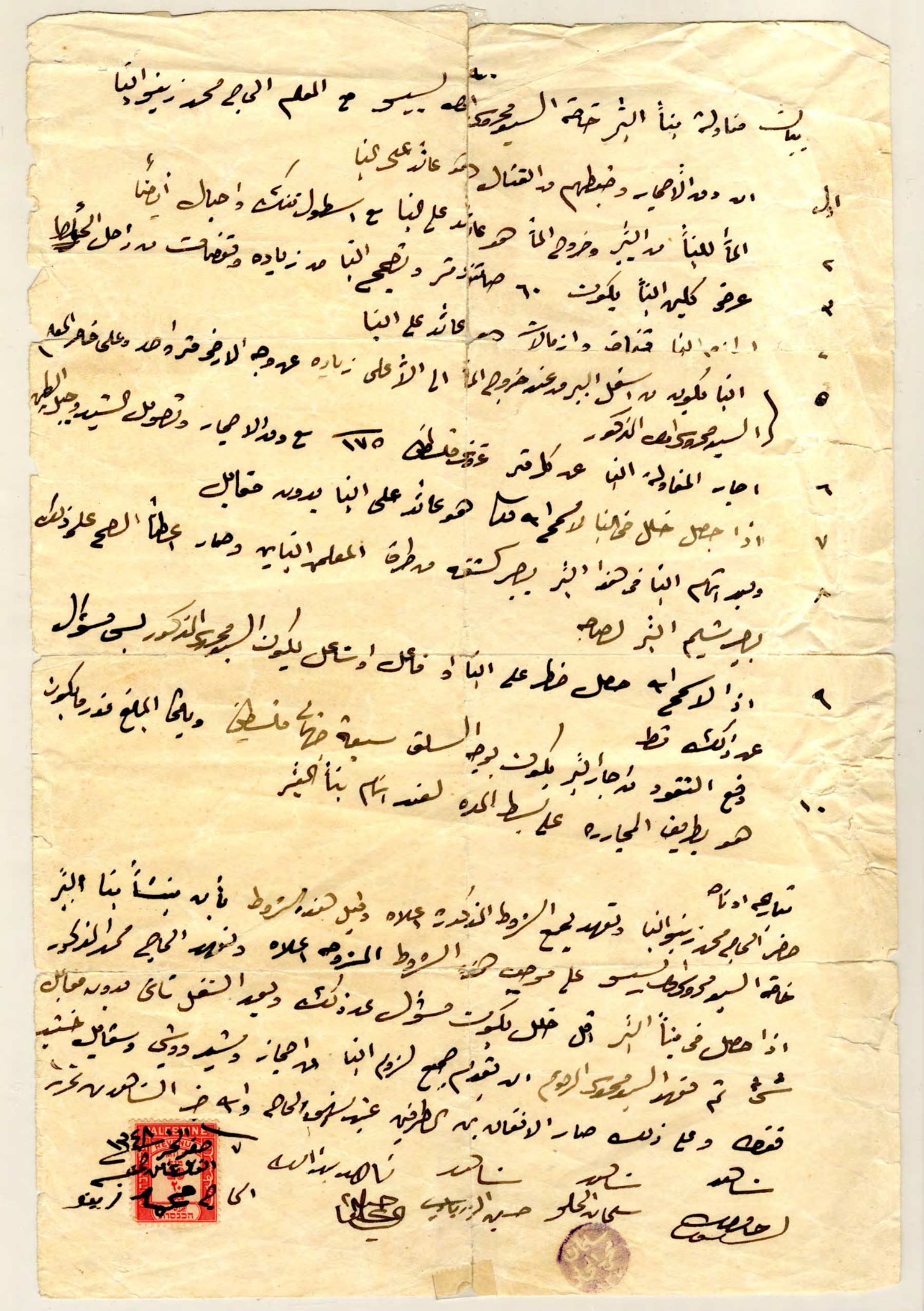
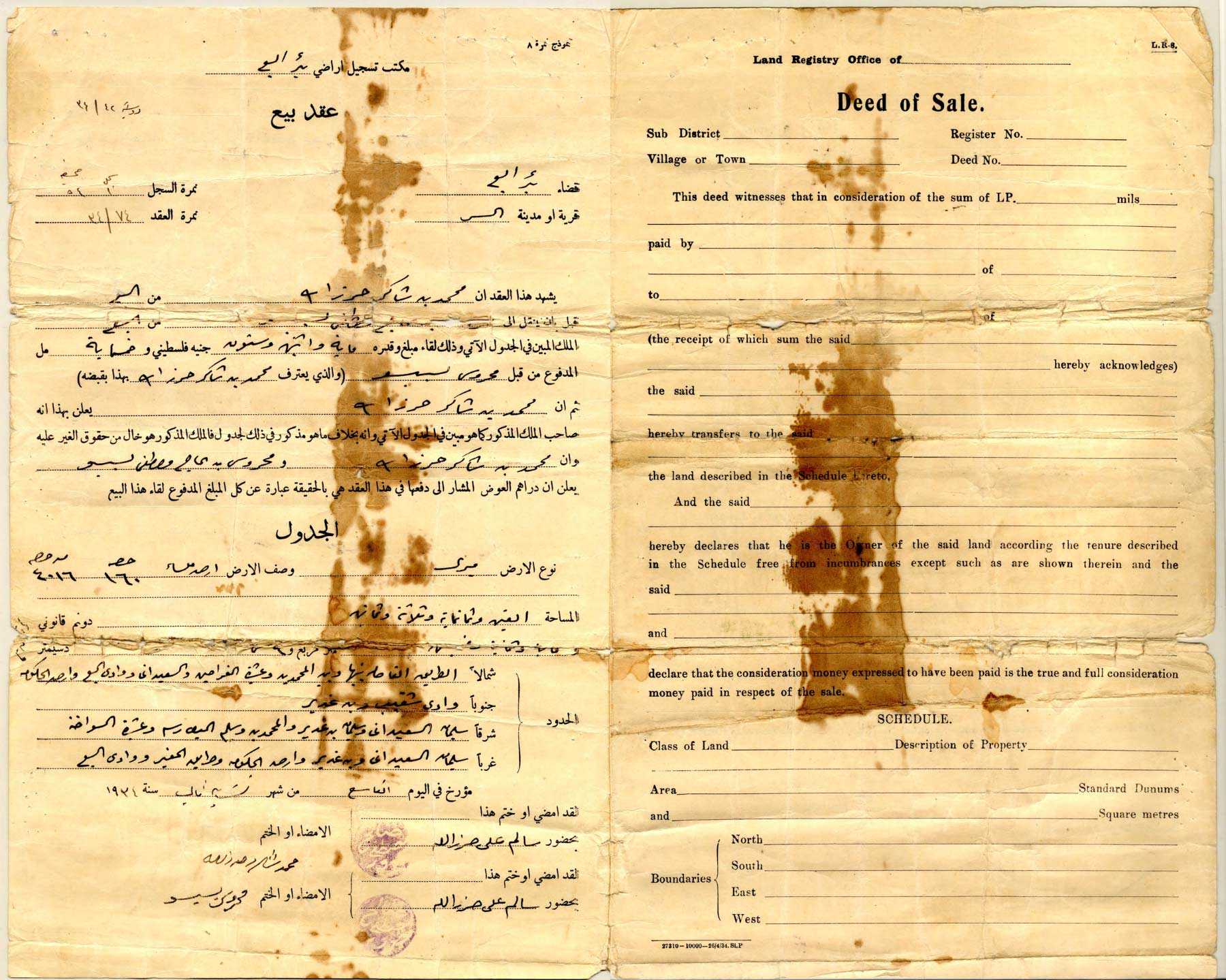
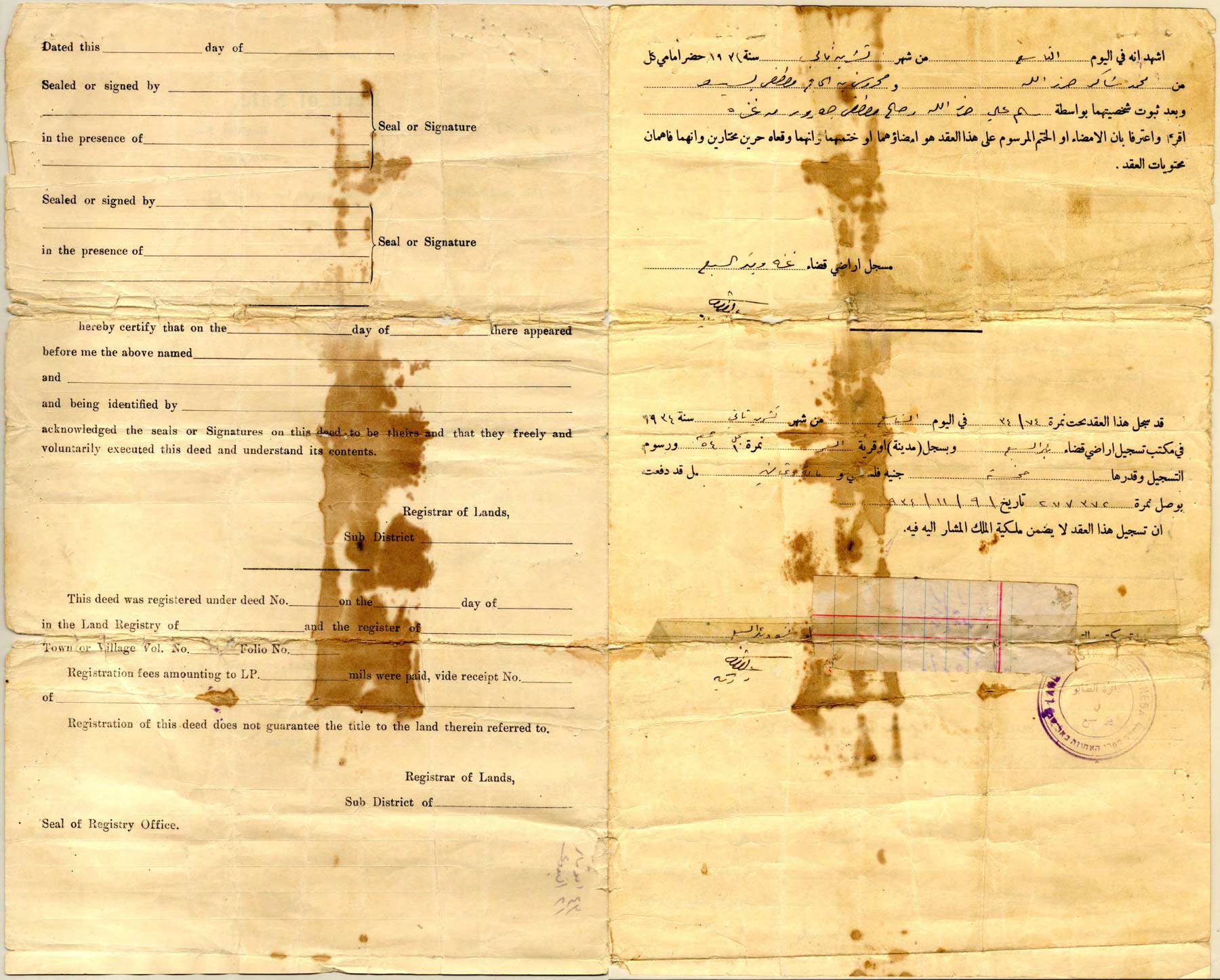
The documents indicate that Mr. Mahrous bought a large piece of land, measured in the hundreds of dunams, in 1906 (0045)

The Ottoman land deed is the oldest surviving document from the Bseiso family collection. The date of this document reflects how successful his business was in Jerusalem and could signal the first steps towards bringing Bi’r Al-Sab’ into the currently known agricultural oasis.

Throughout the 1910’s, Mahrous continued to acquire land and establish farms and plantations.

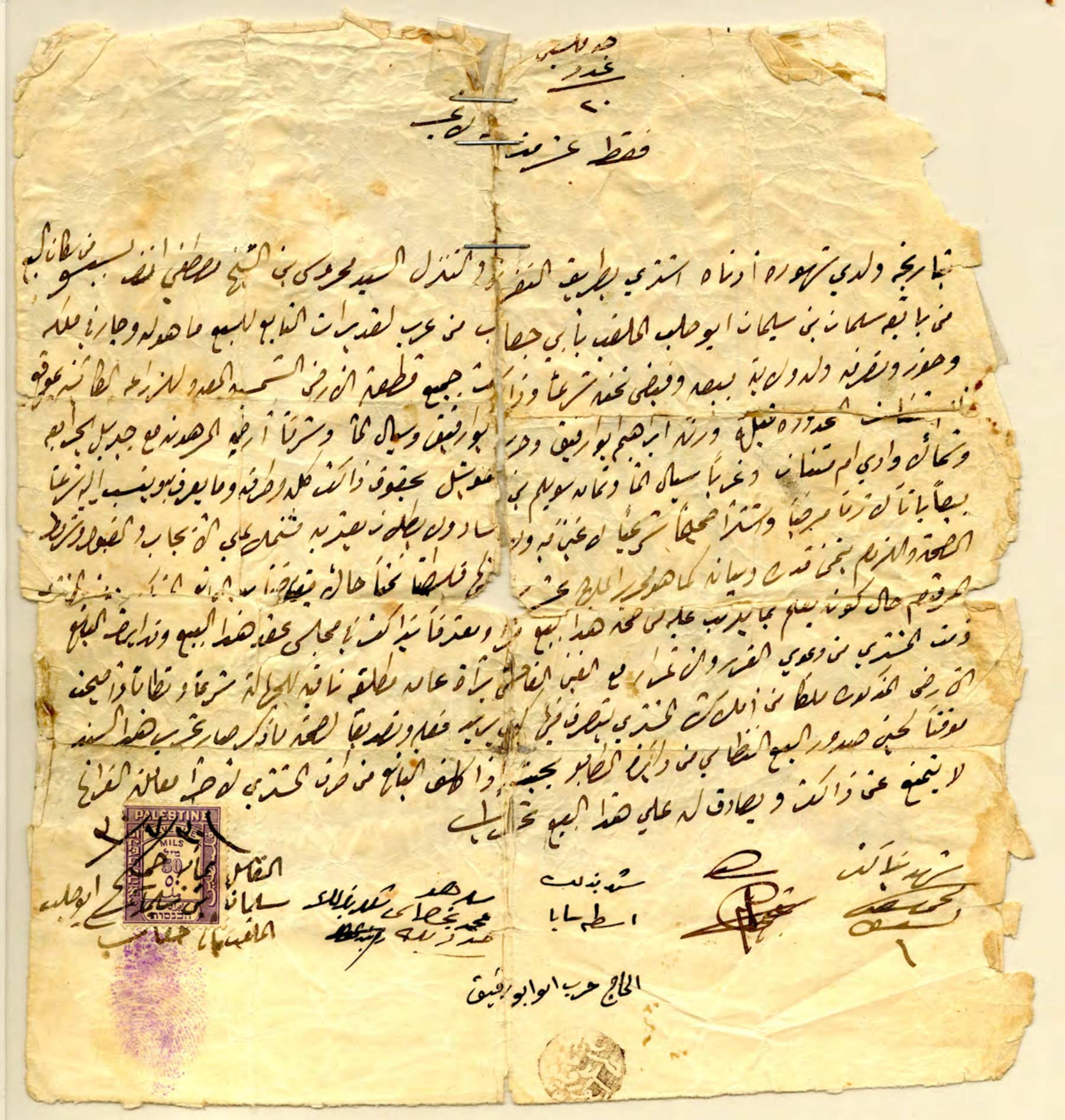
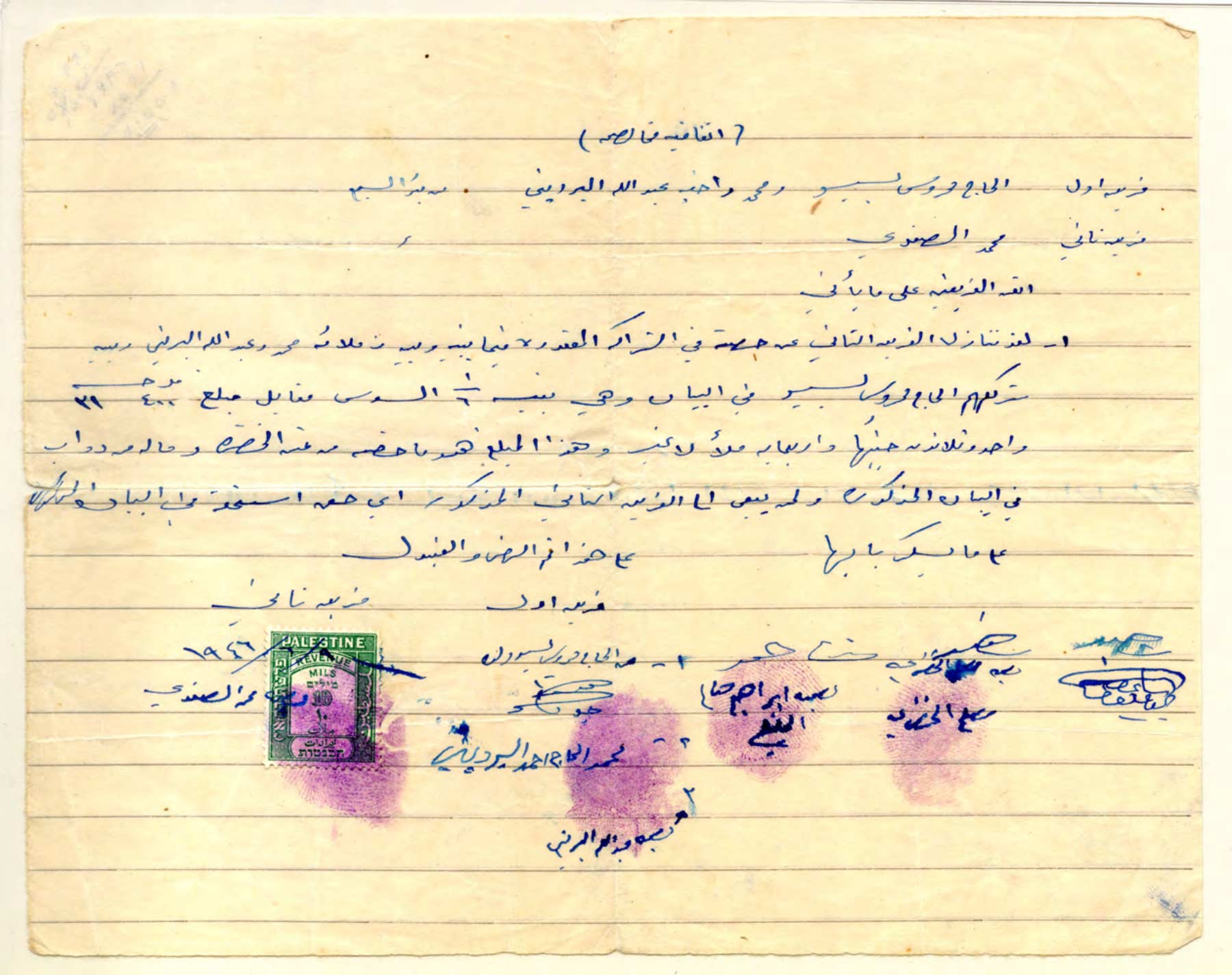
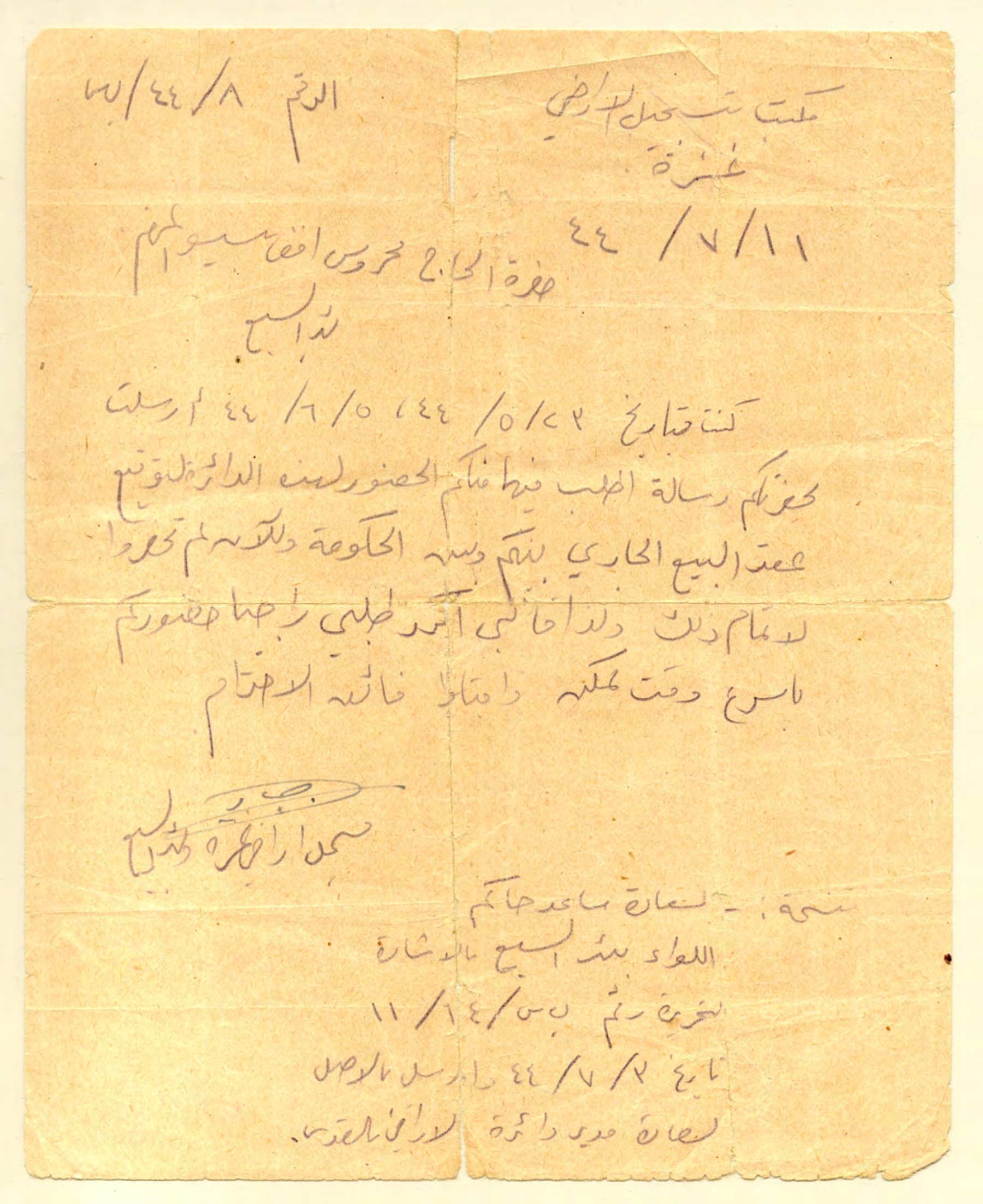
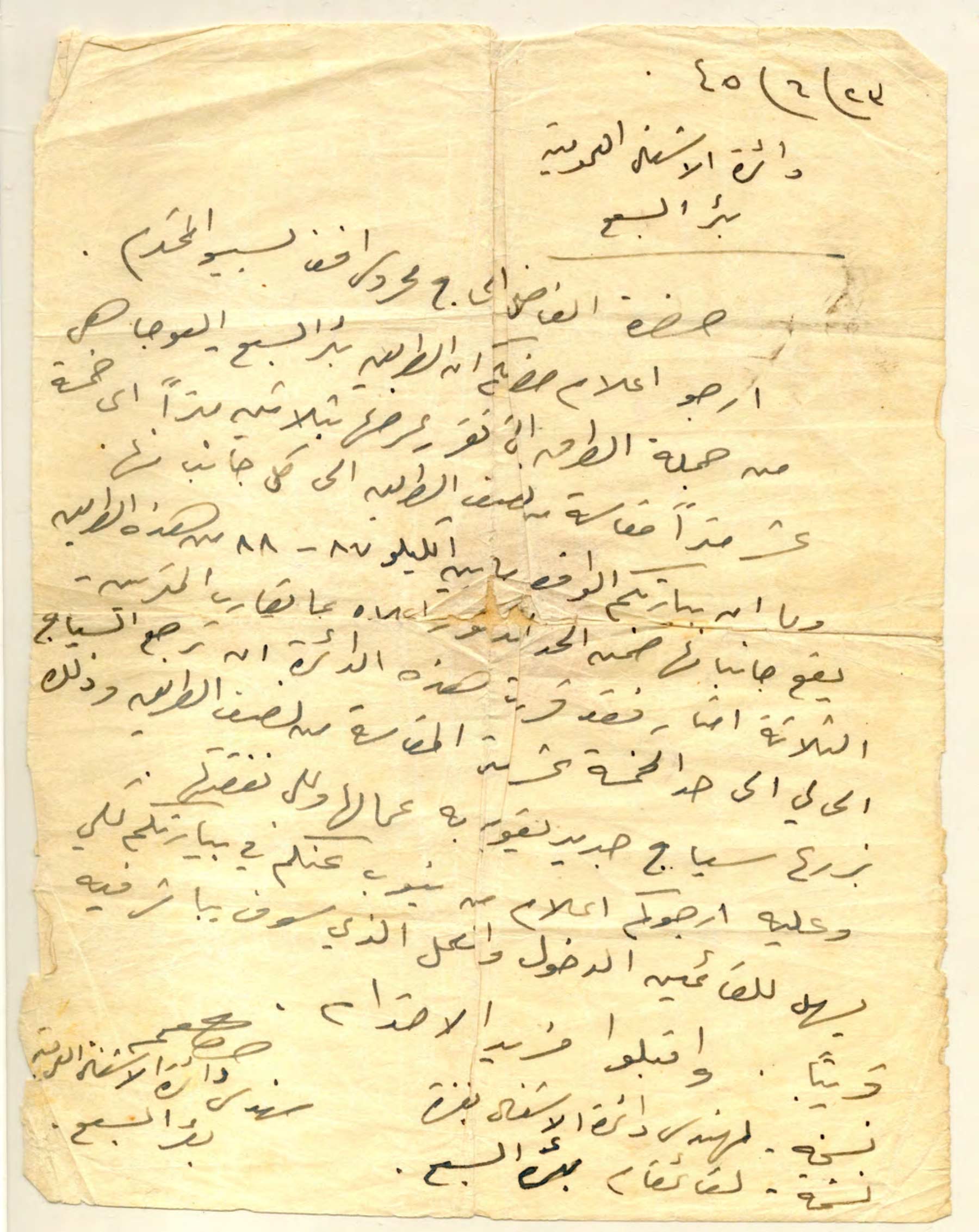
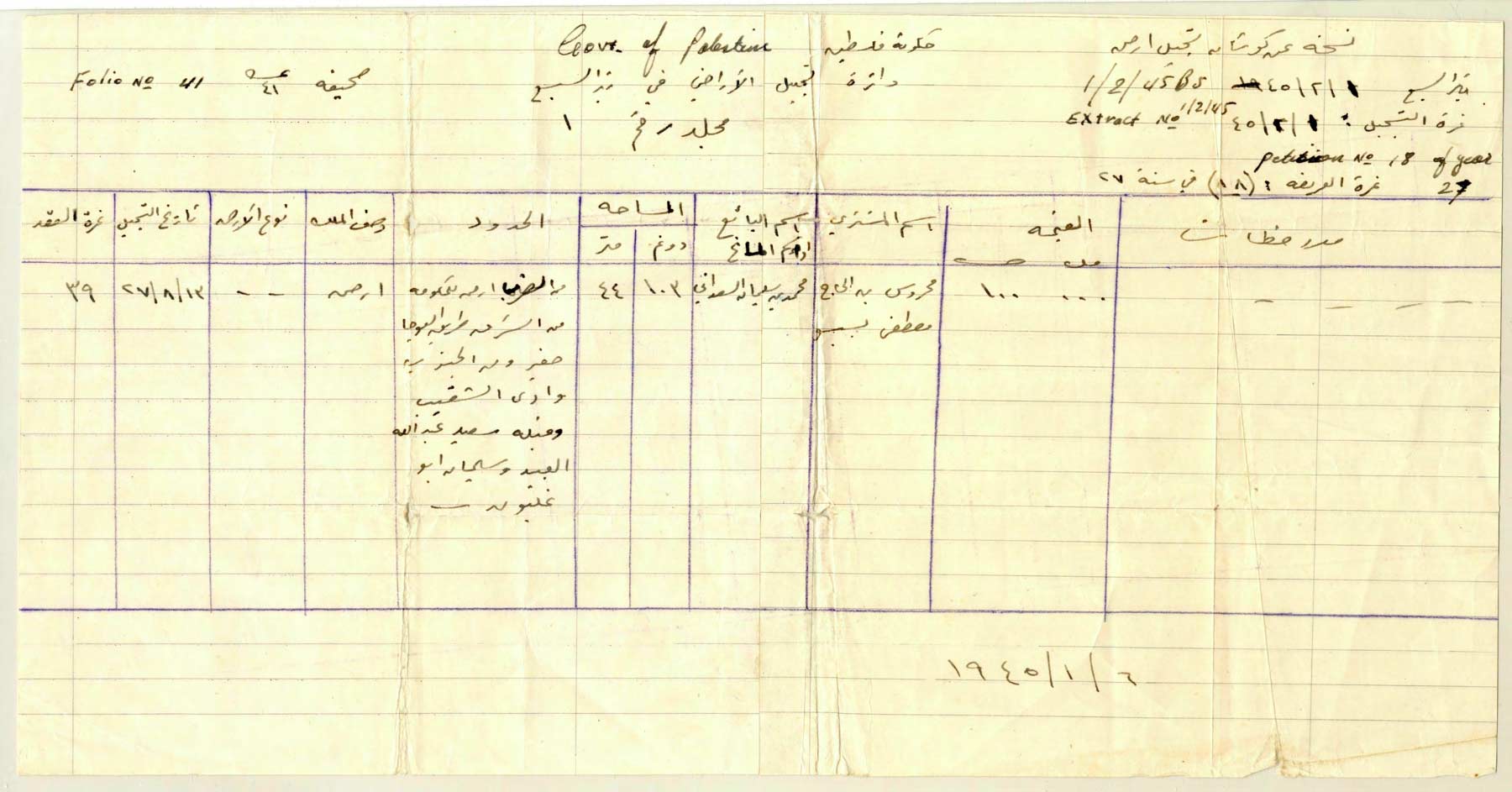
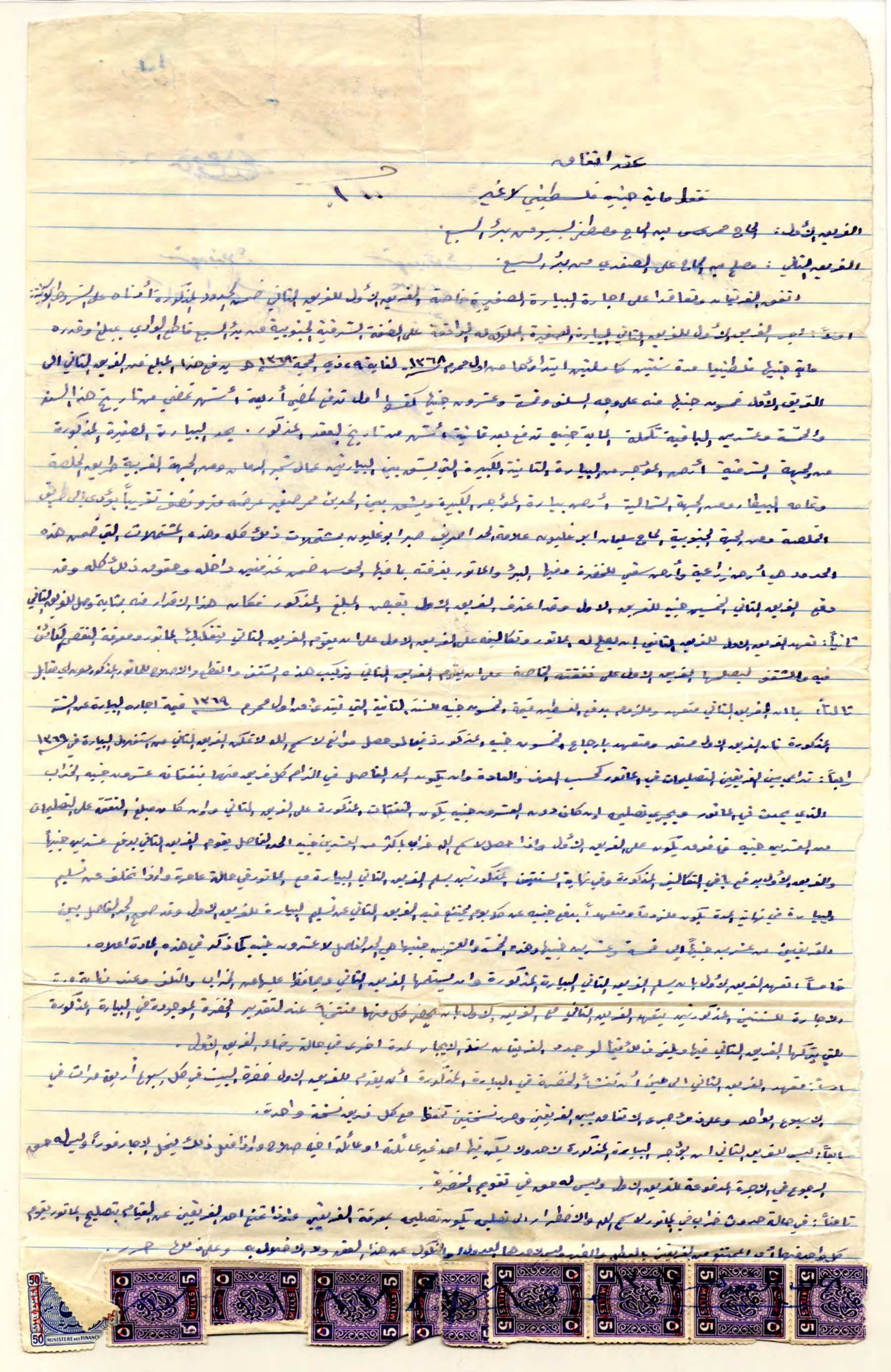
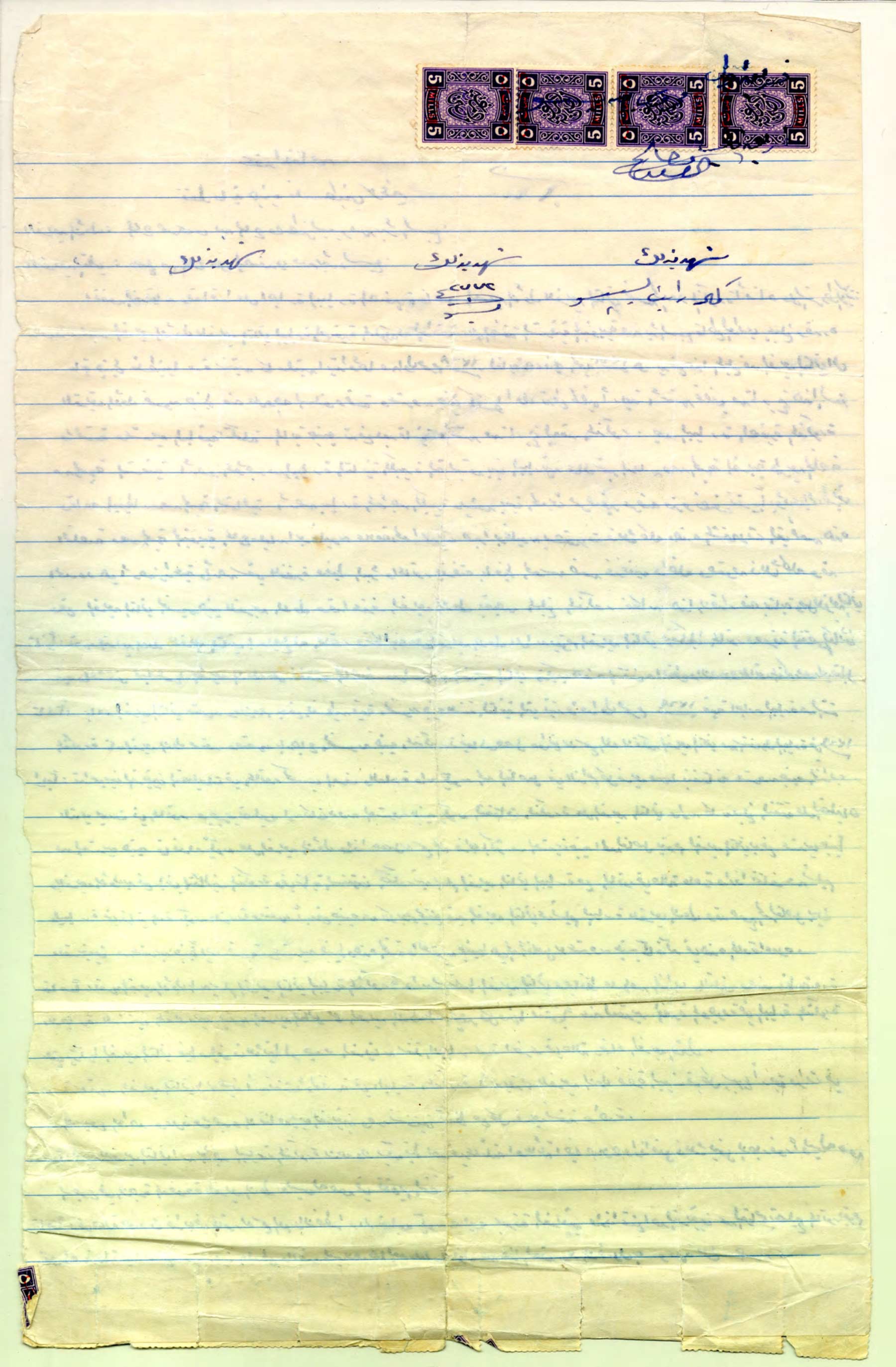
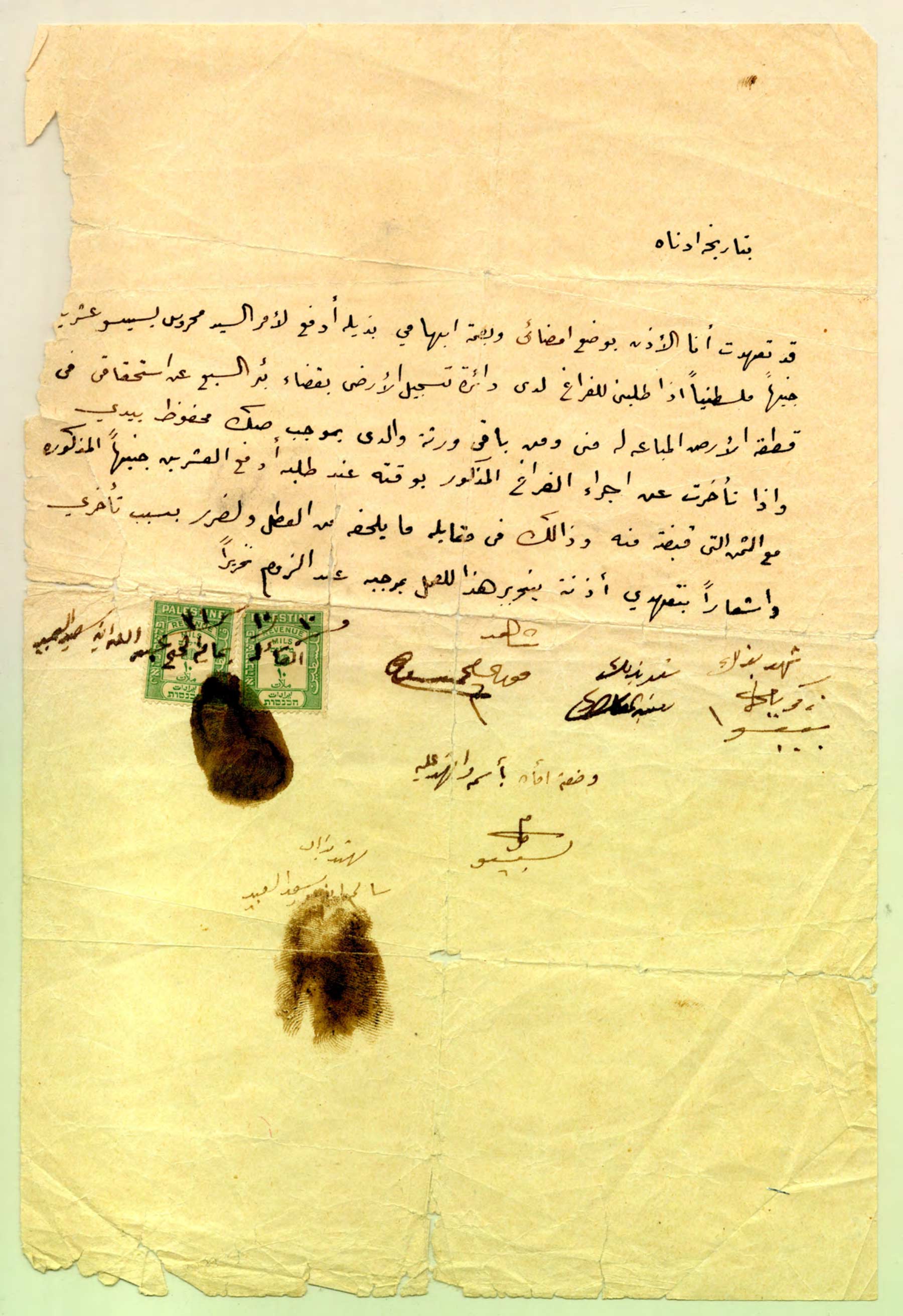
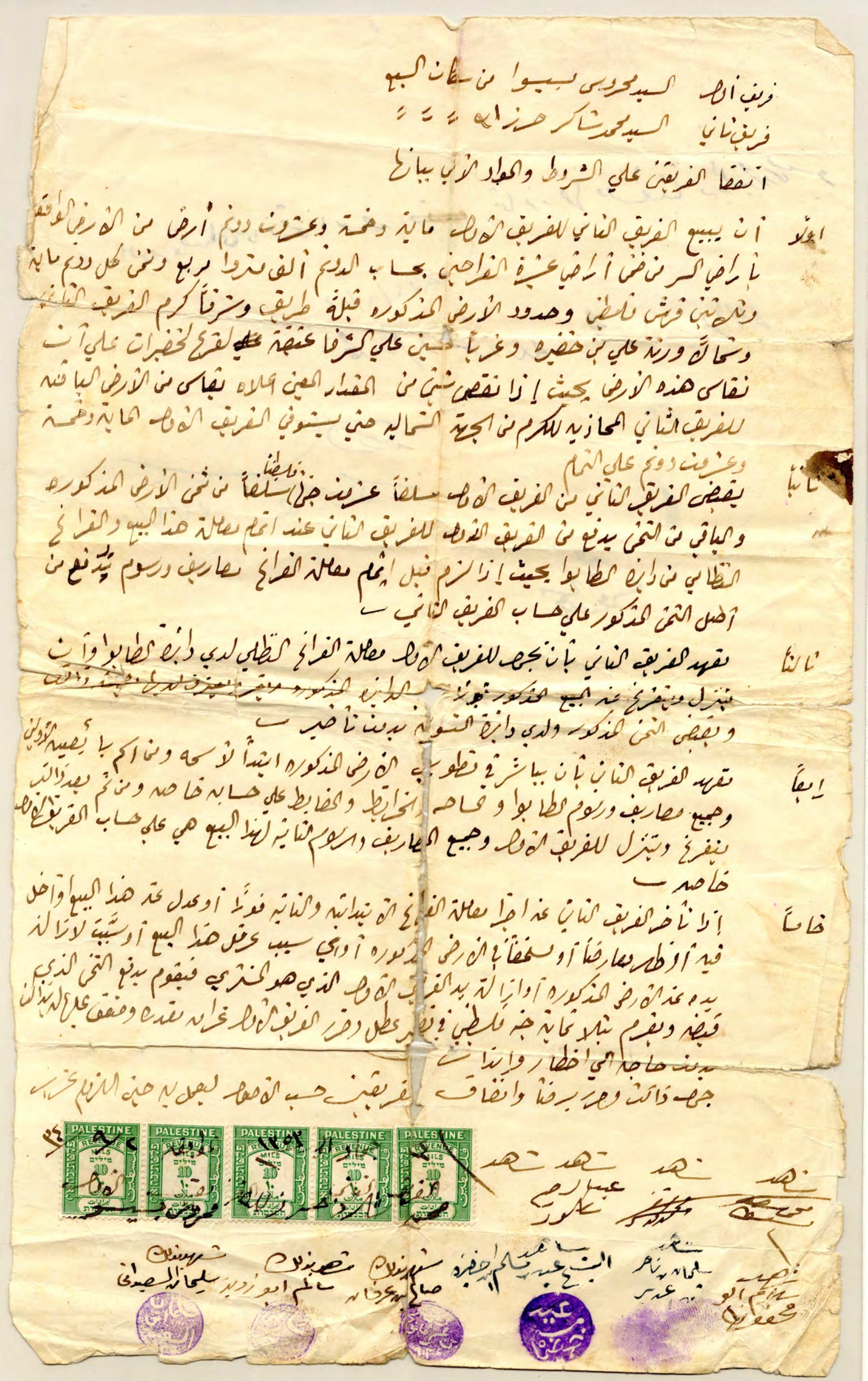
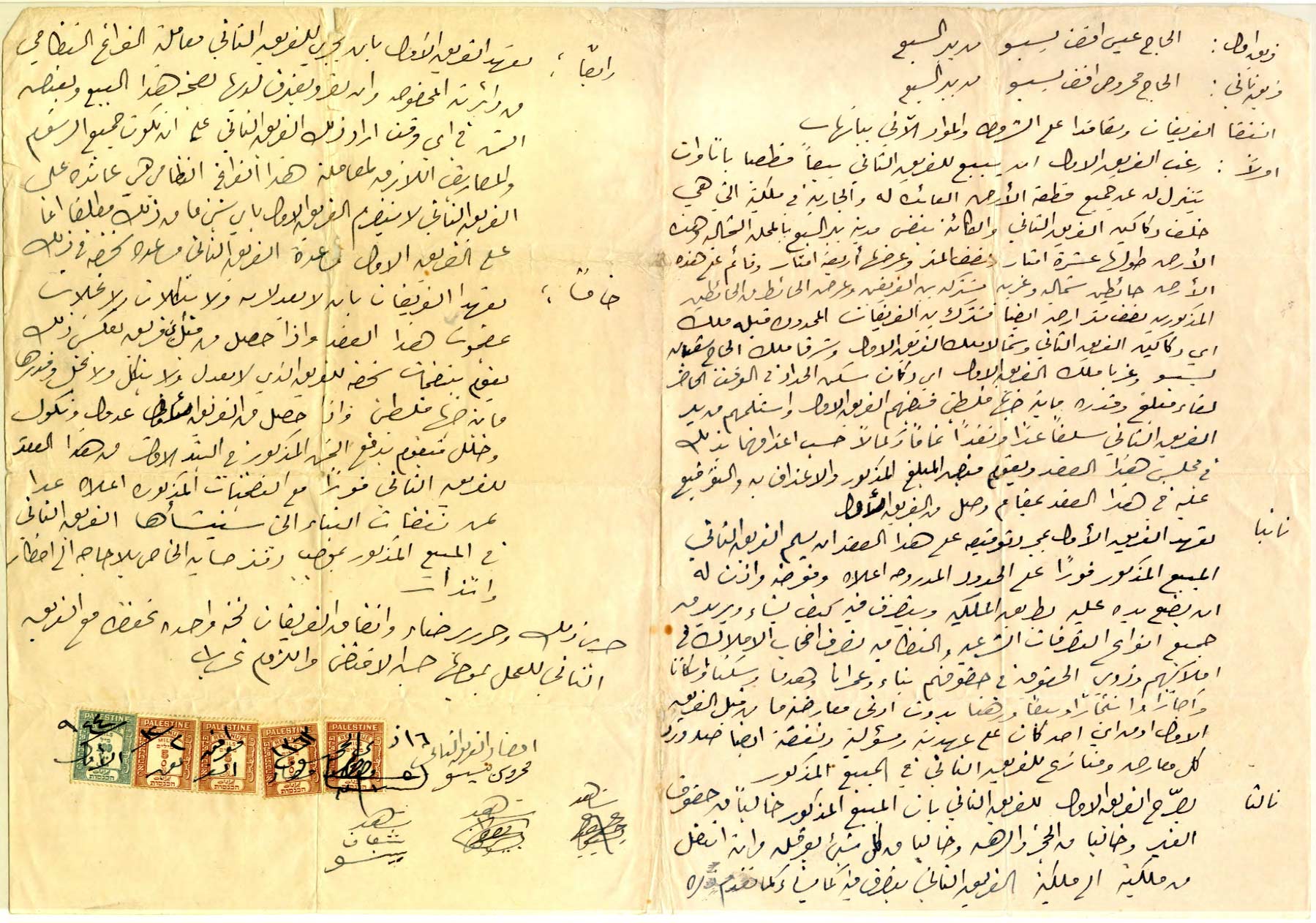
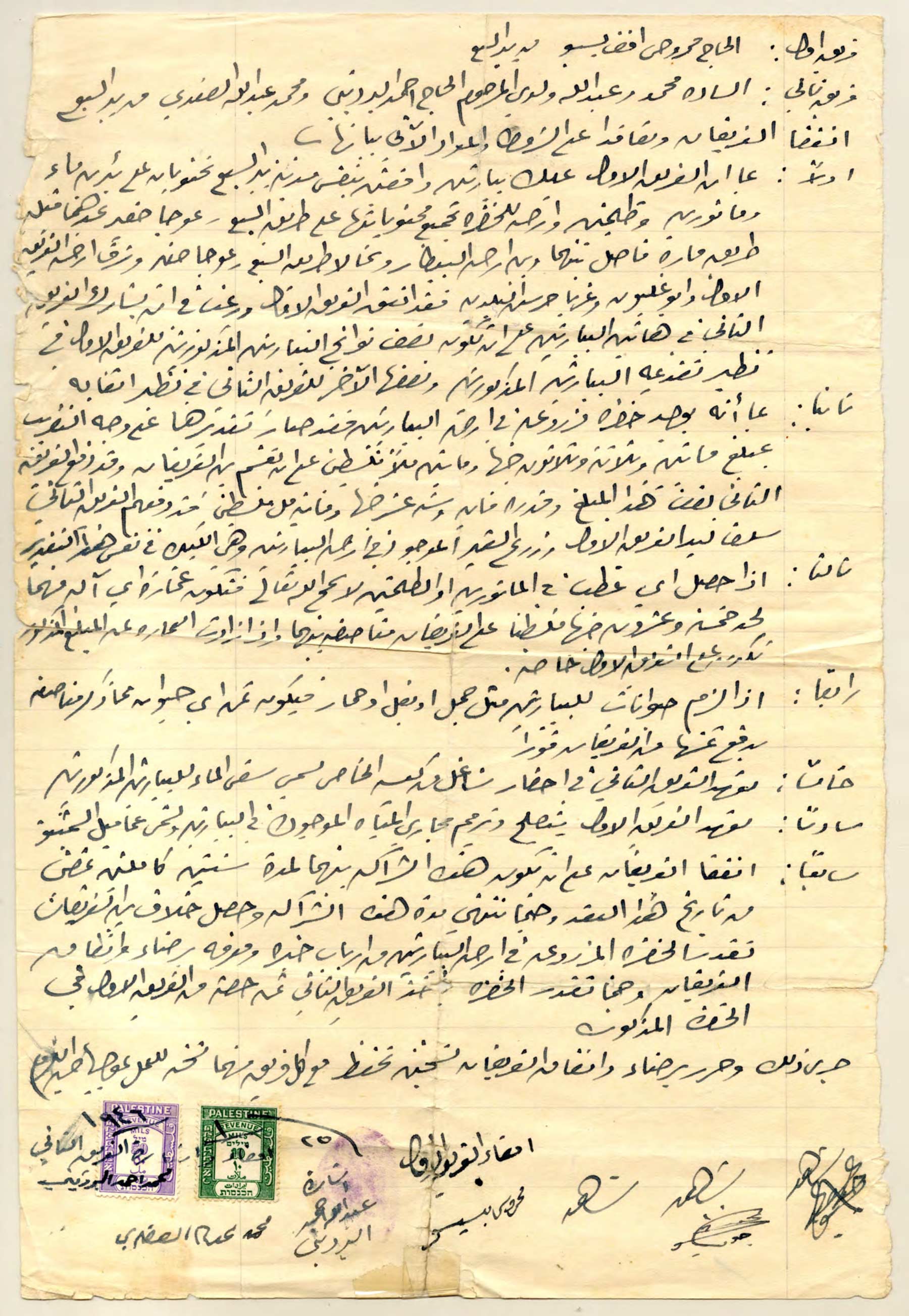
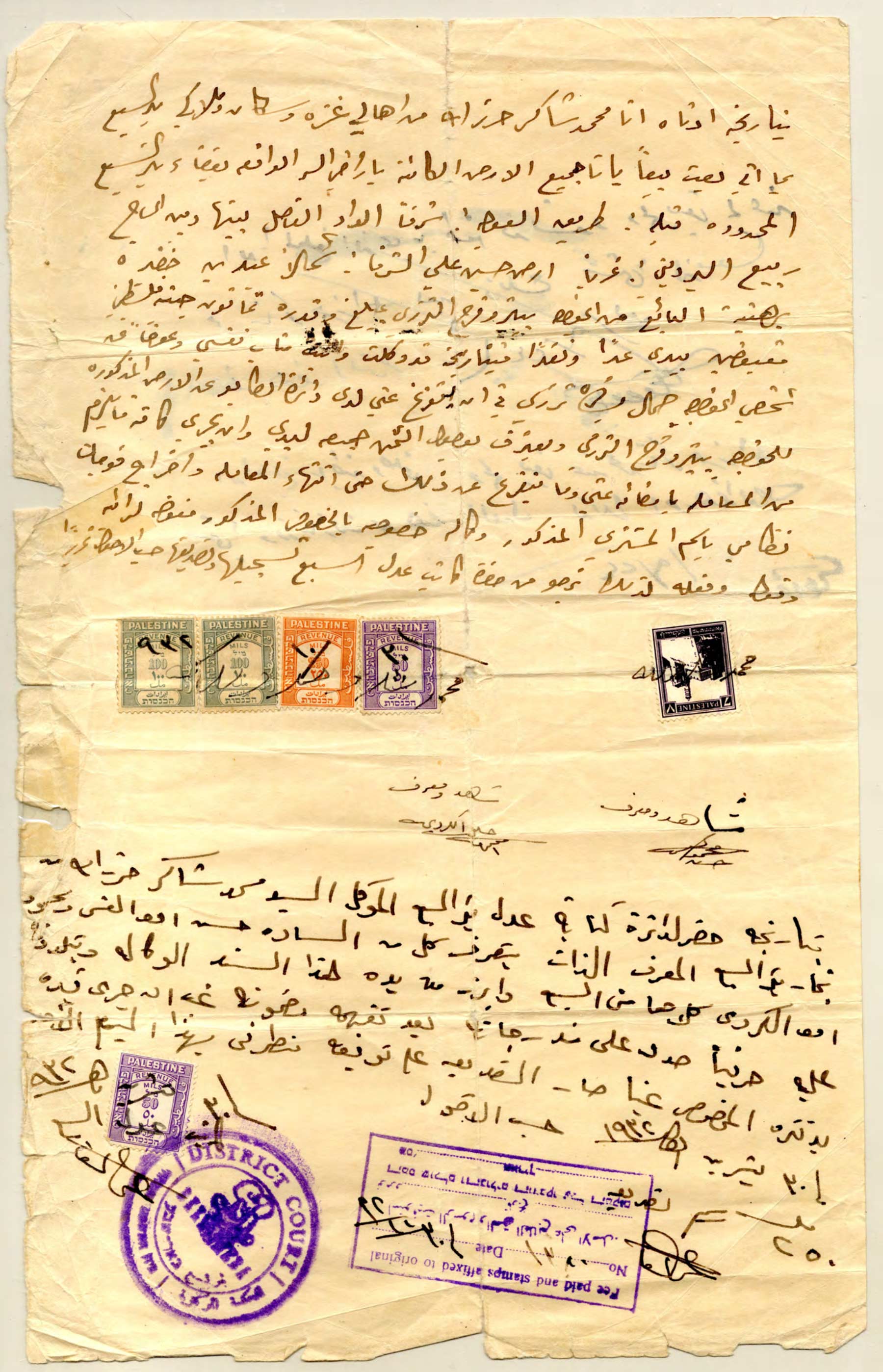
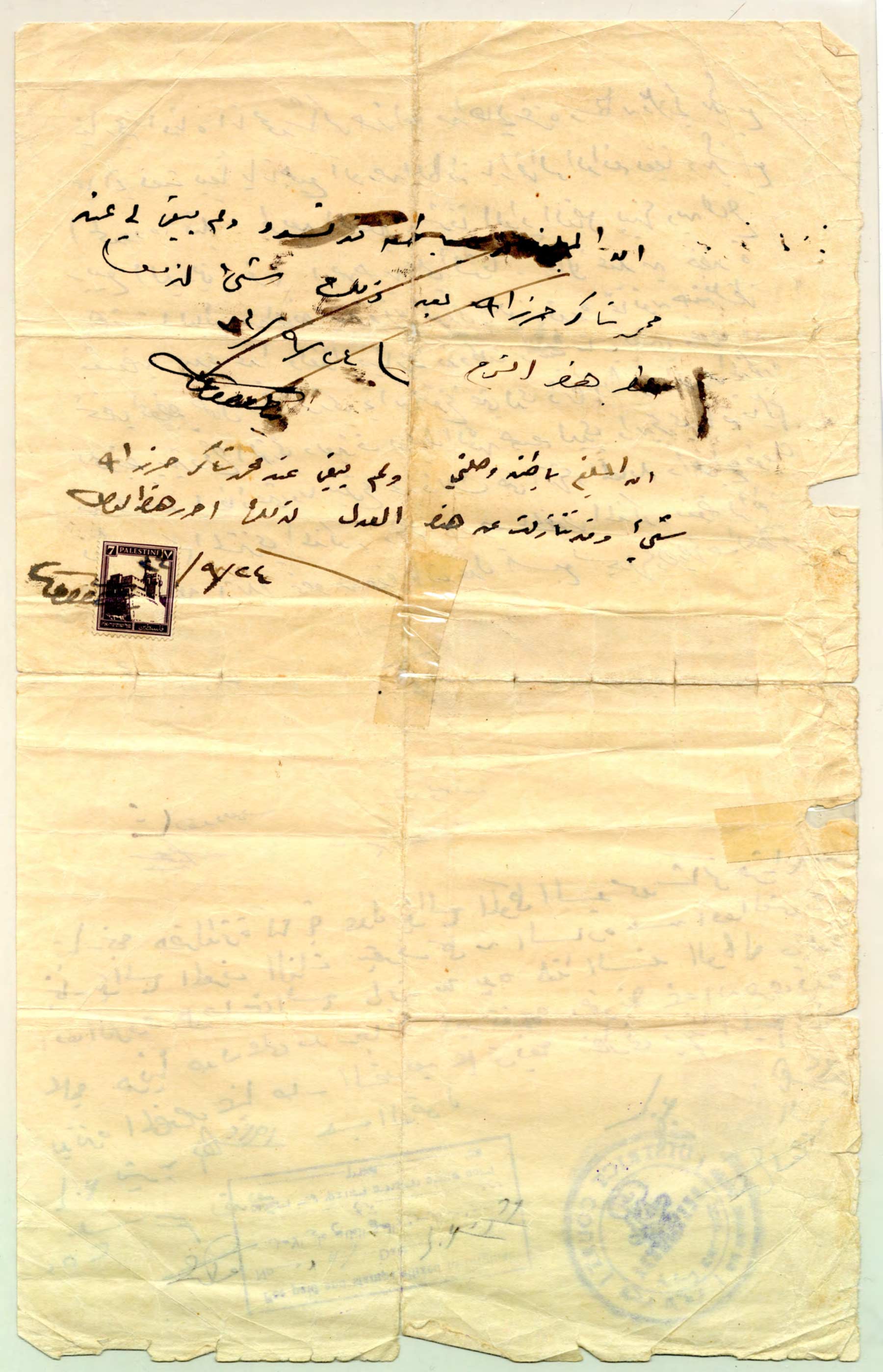
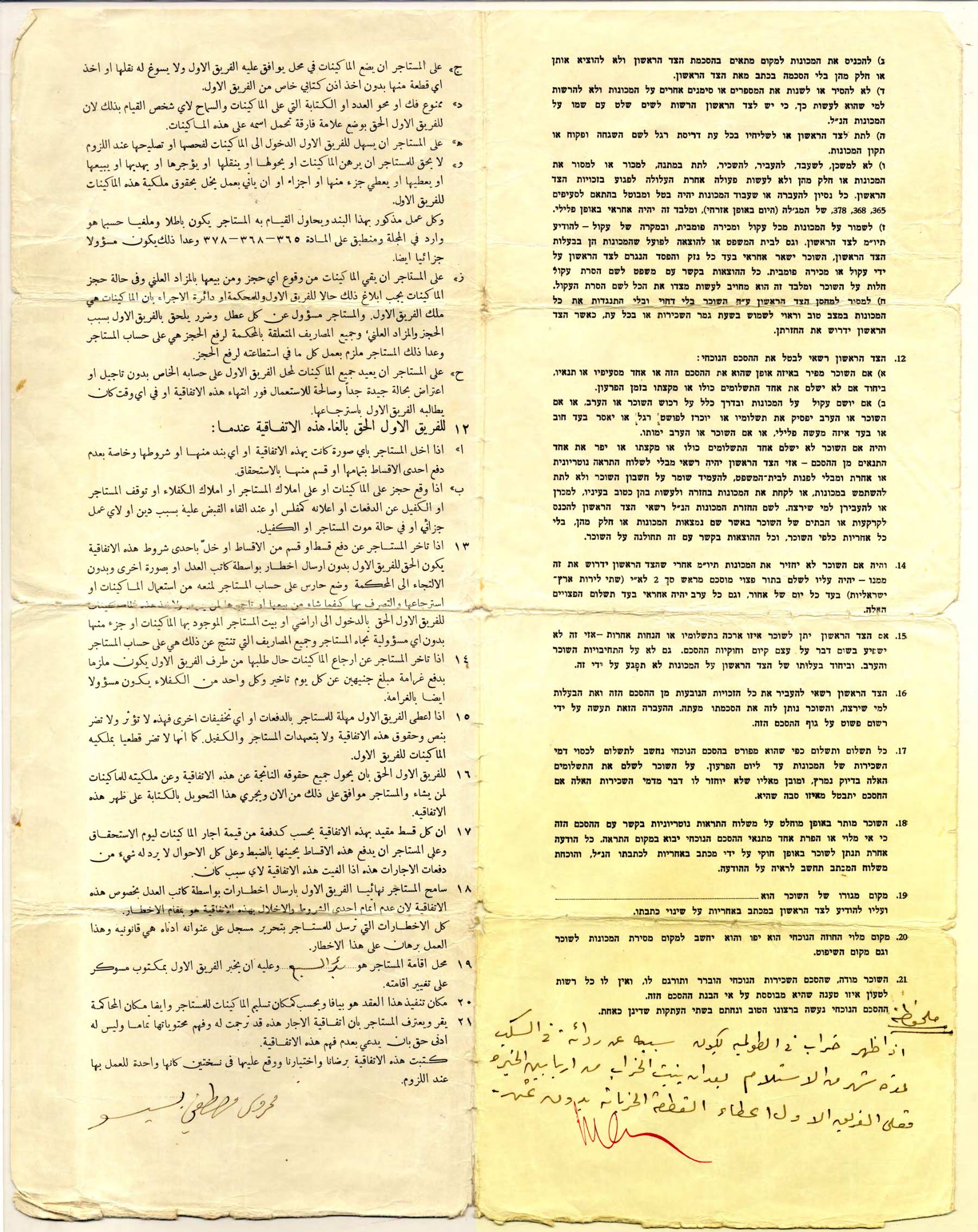
He oversaw such agricultural endeavors in person and made subcontracts to established farmers in the area to oversee their production. Documents 0027 and 0041 exemplify such subcontracts which involved the general public in his successes. His vision was to transform the modest desert outpost that is Bi’r Al-Sab’ into an industrial, agricultural, and democratic hub in the south of Palestine.

001 - Doc Description here

Documents


In Bi’r Al-Sab’:
the burgeoning success

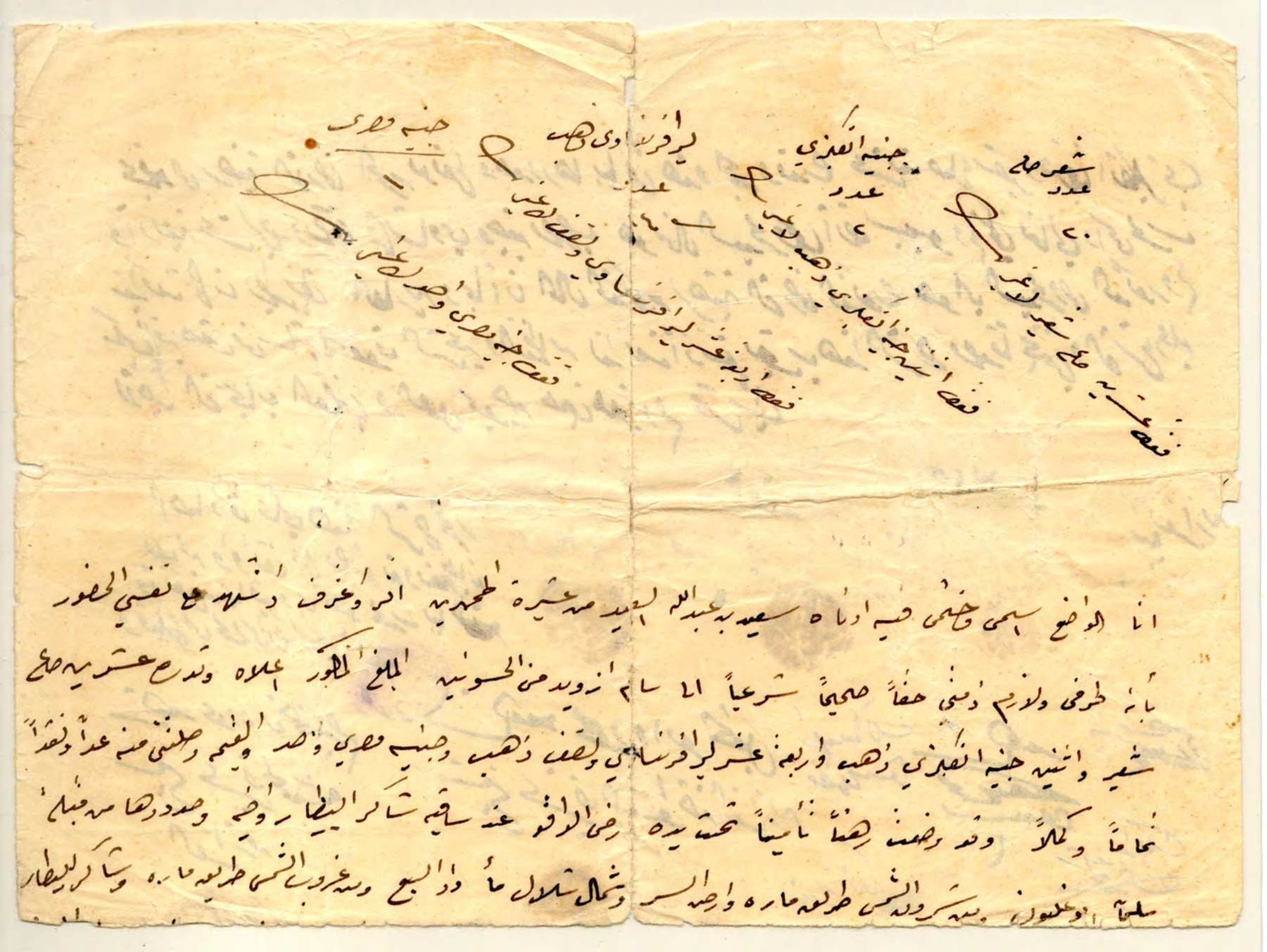
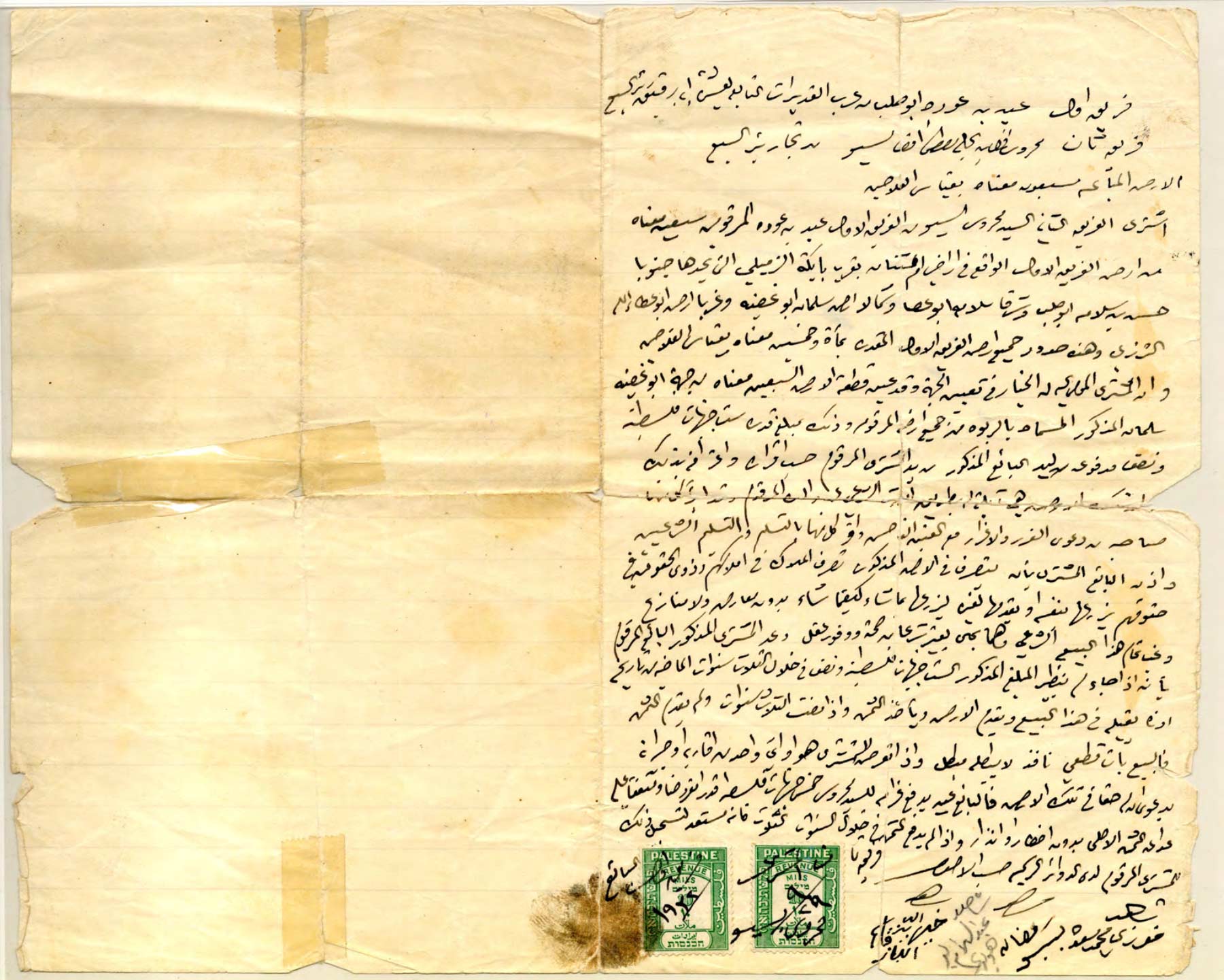
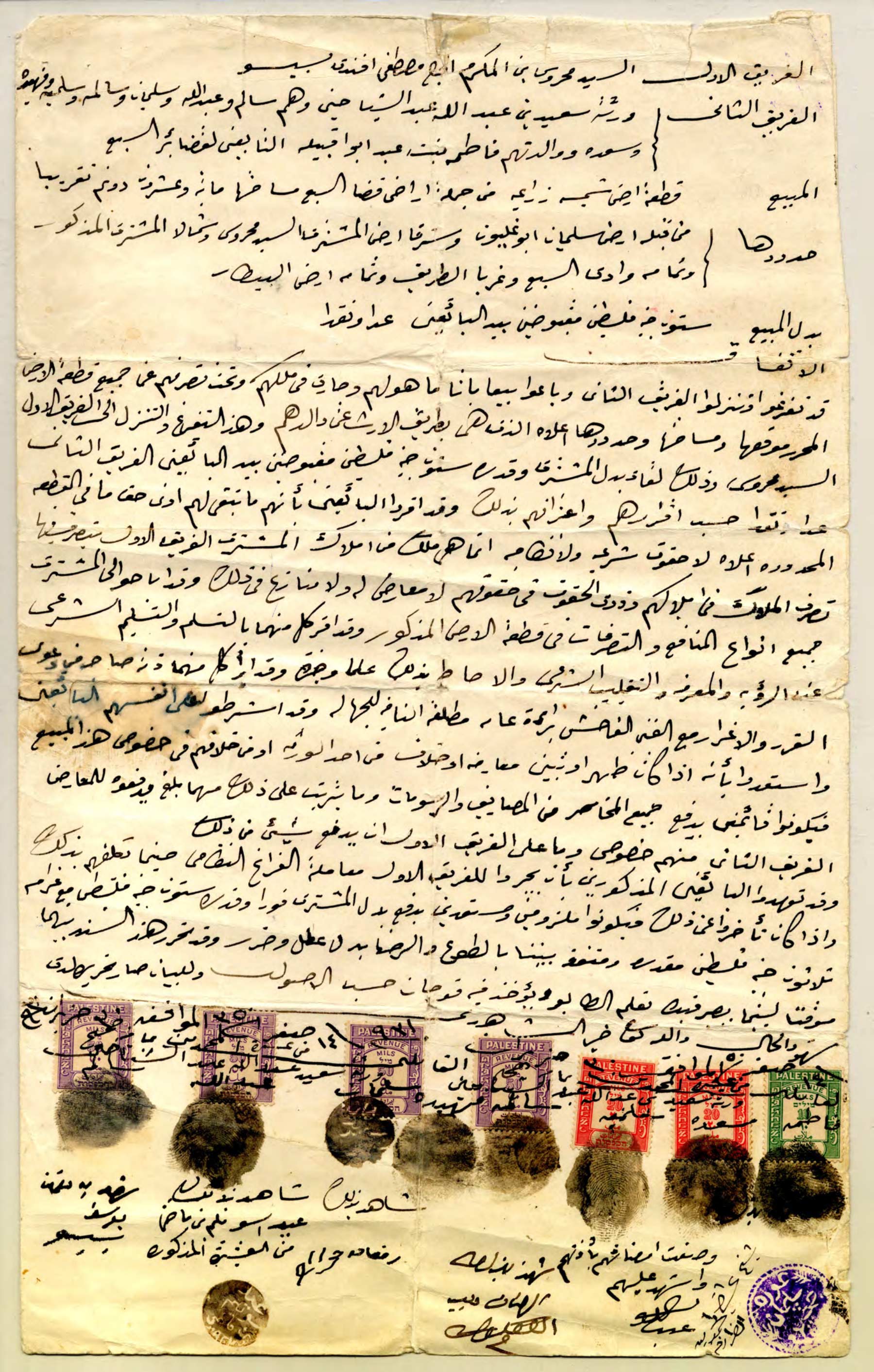
Starting from the mid 1920’s, Mr. Mahrous’ business ventures were booming in Bi’r Al-Sab’. The documents show massive land acquisitions (e.g., 0025, 0030, 0012, 0035). One of the major land purchases was finalized in 1929 when Mr. Mahrous purchased over 4631 dunams, a massive land area that measures around 1235 acres (see 0009). Moreover, Mr. Mahrous acquired most of the property of Mr. Hirzallah, another leading businessman in Bi’r Al-Sab’, in the 1930’s (see 0037, 0043, 0053, among others).

These lands were immediately converted into farms and mining operations. All of these land acquisitions were witnessed by the heads of tribes and pillars of the Bi’r Al-Sab’ society. Such surroundings surely indicate the increasingly advancing position of the burgeoning entrepreneur in the socio-economic ladder of the town.

1920’s

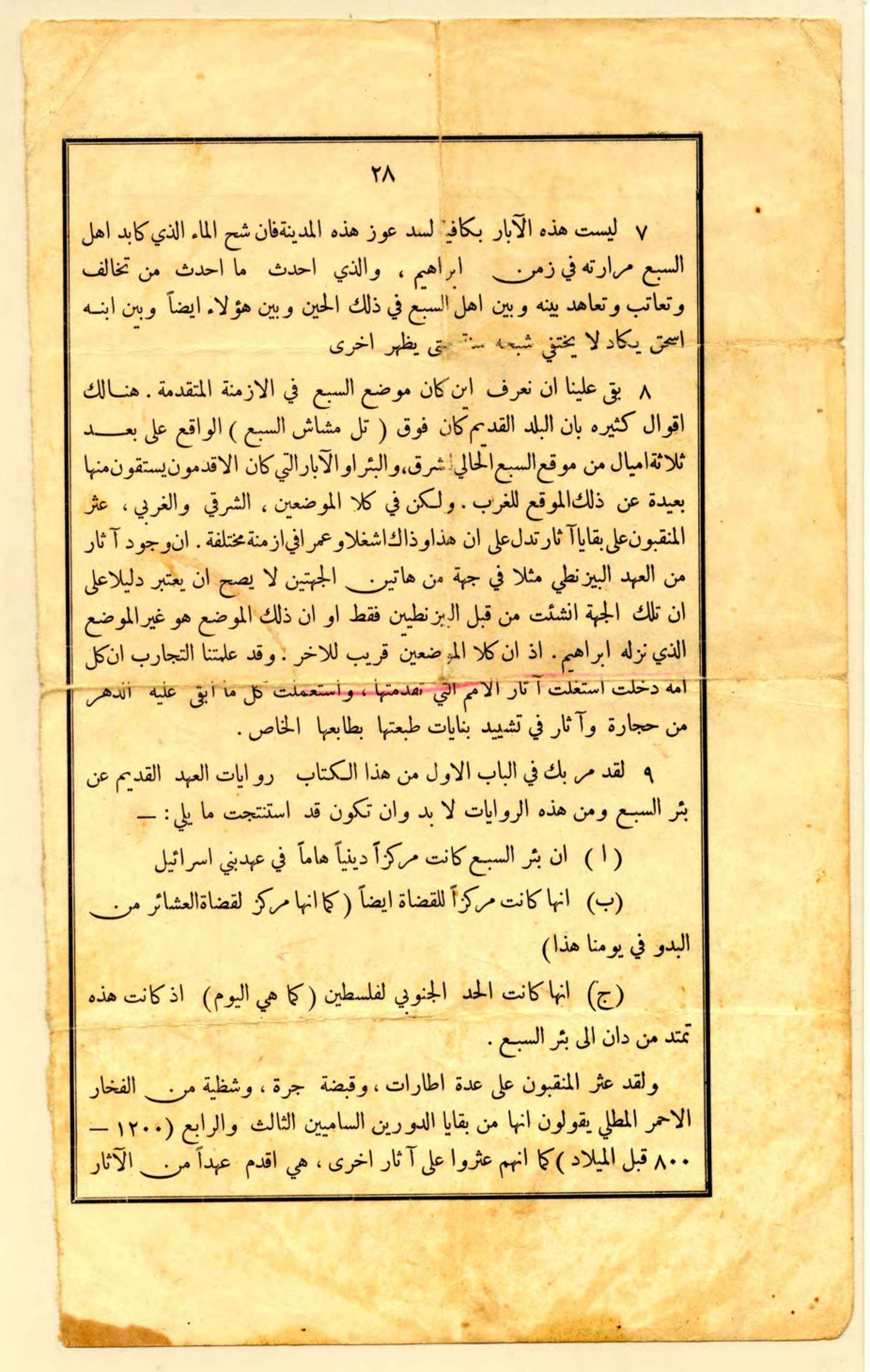
During these great successes, Mr. Mahrous maintained his philanthropist efforts that he cultivated in Bi’r Al-Sab’ and in 1929 he commissioned the construction of a drinking water in the center of Bi’r Al-Sab’ (see 0046).


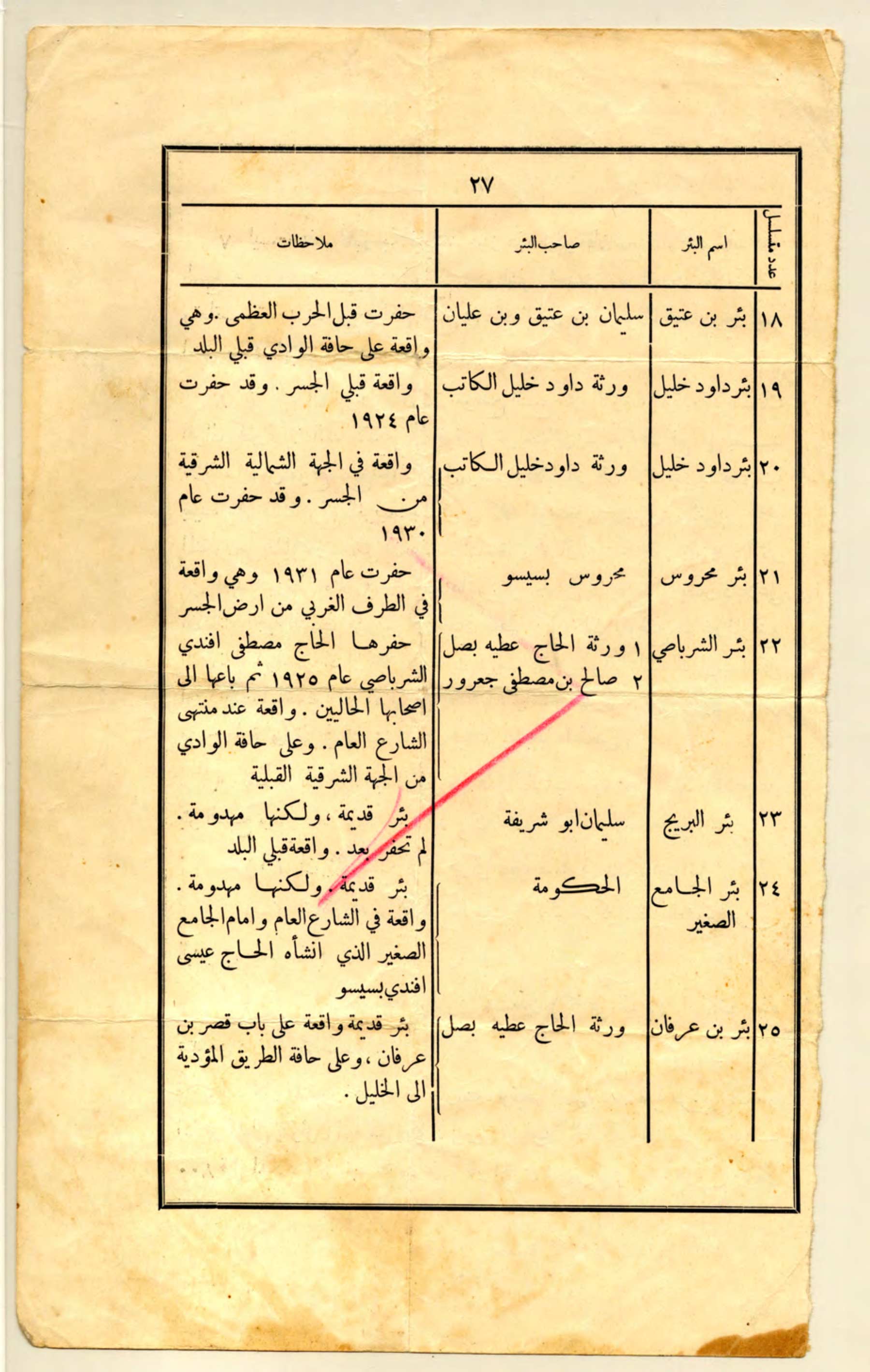
The well that he financed was a major landmark in Bi’r Al-Sab’ and was repeatedly mentioned in books documenting Bi’r Al-Sab’ in that time period (e.g., the excerpt in document 0016). The Bseiso family, at large, were known for their humanitarianism. For example, one of the two mosques in Bi’r Al-Sab’ was financed by Mahrous’ brother, Eissa Bseiso. The family name itself comes from their grandfather’s benevolence to stray cats which he adopted in his wheat mills.


in addition to that, the documents further indicate that in achieving this success, Mahrous possessed admirable legal knowledge. The language and structure of the contracts that Mahrous wrote himself reflect his commendable prior education and knowledge that he, in his trailblazing efforts, applied in transforming a once-marginalized town to a thriving agricultural and economical hub in the south of Palestine.

Weathering
the storm

Palestine in the first half of the twentieth century was the center of turmoil that culminated in the 1948 war. Mr. Mahrous’ legacy documents reflect the changing political powers there.

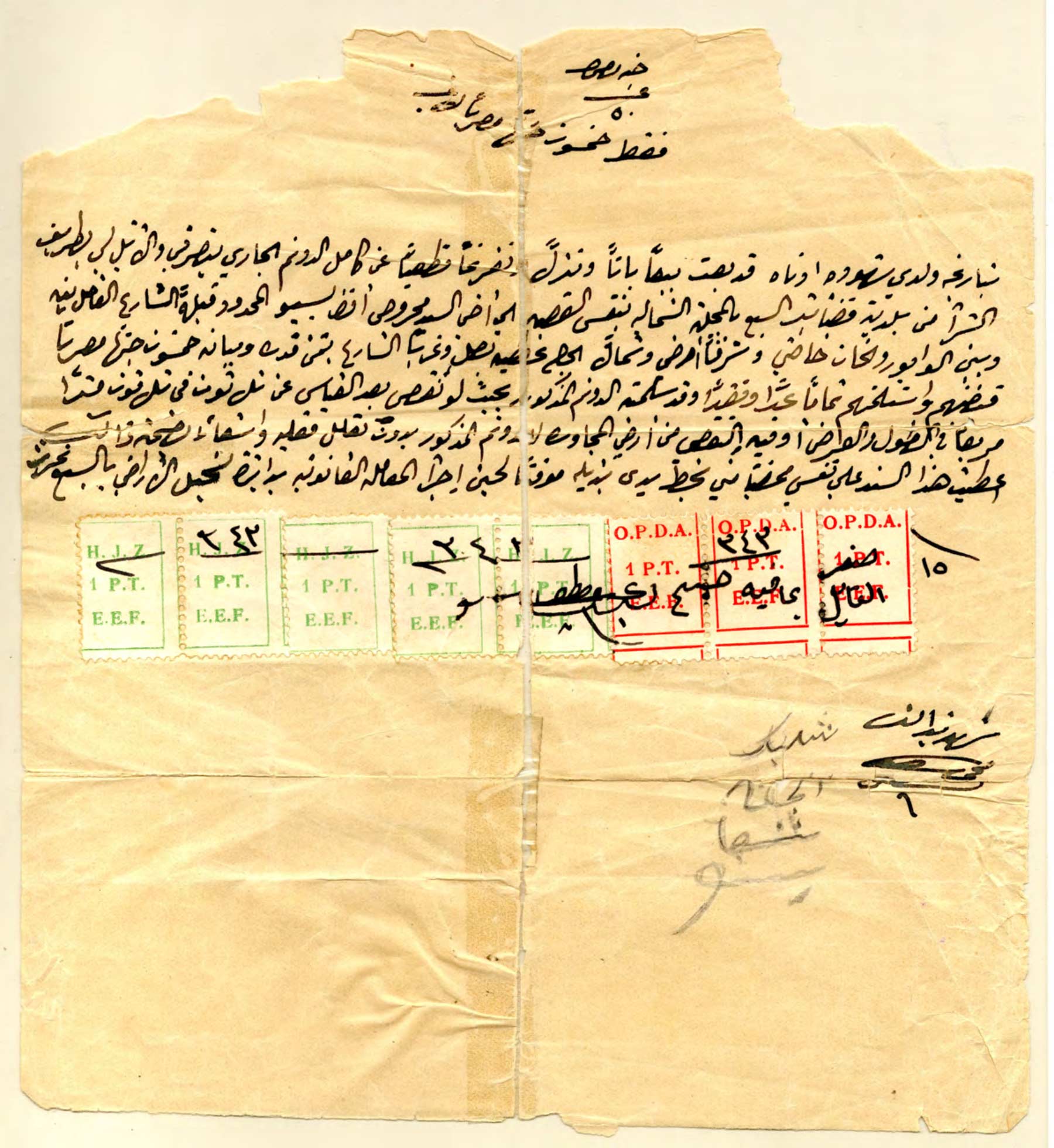
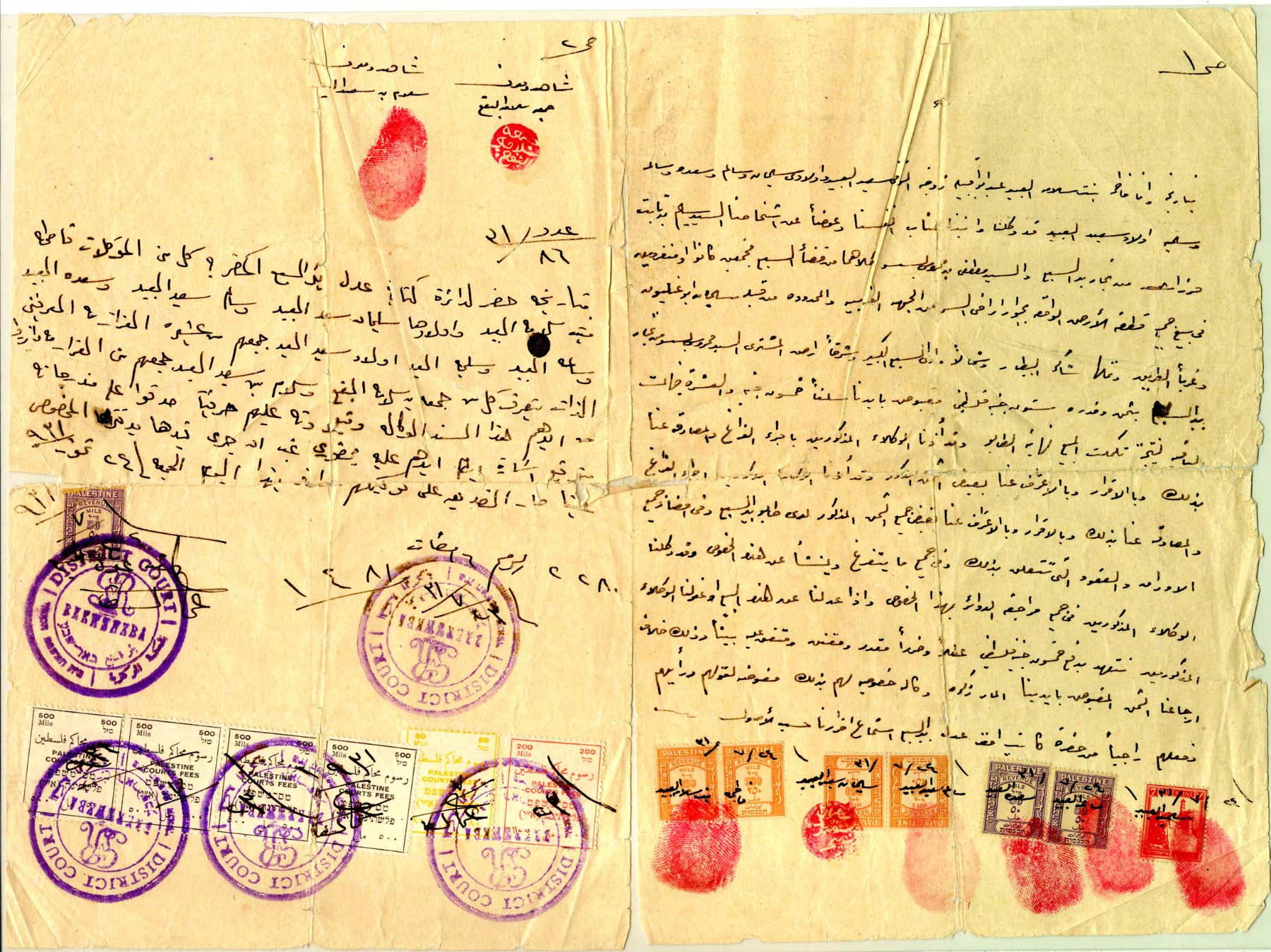
One document in particular, 0005, shows that the sale transaction was conducted in various currencies that were in circulation in Palestine: a living manifestation of the ever-changing hands over Palestine.

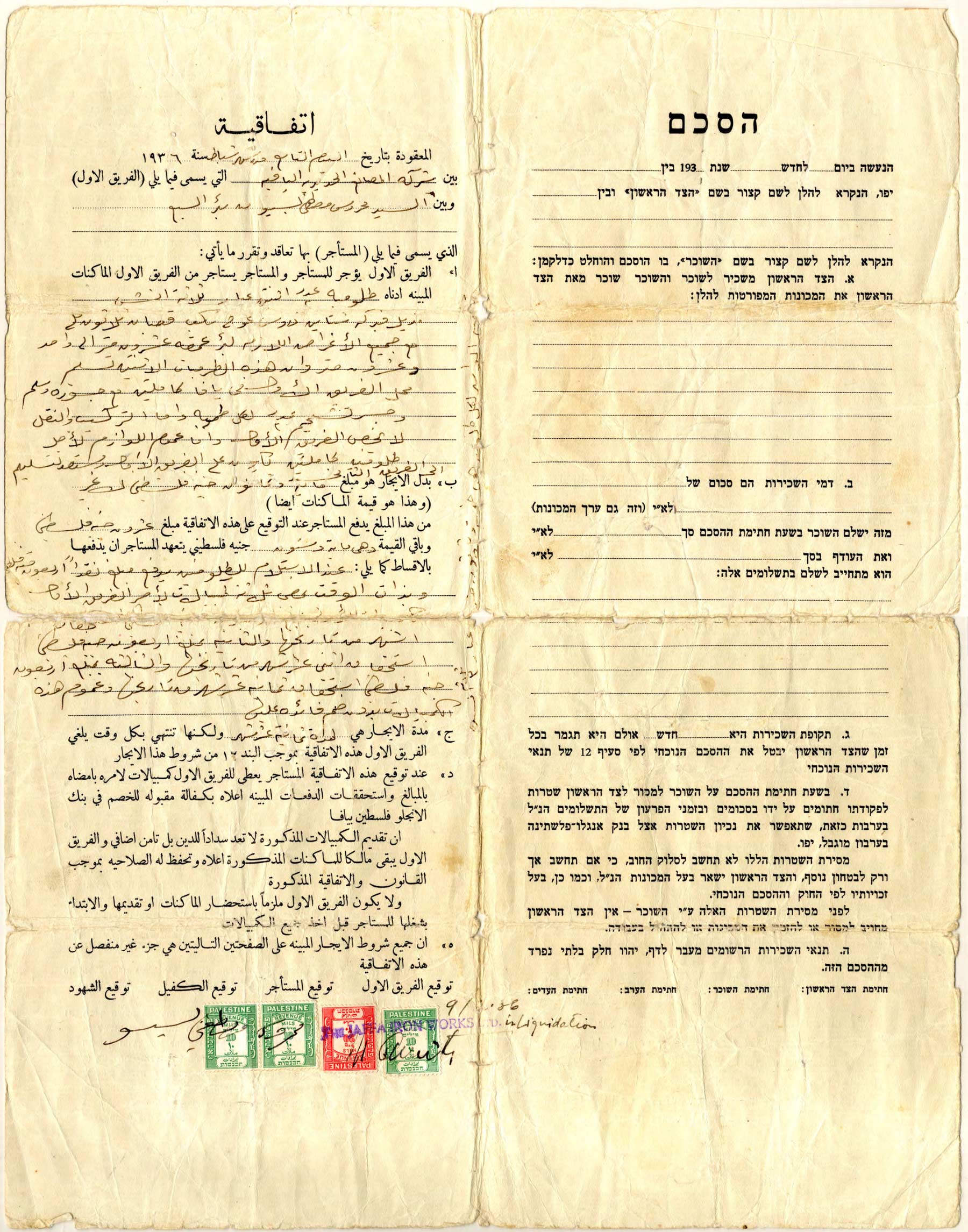
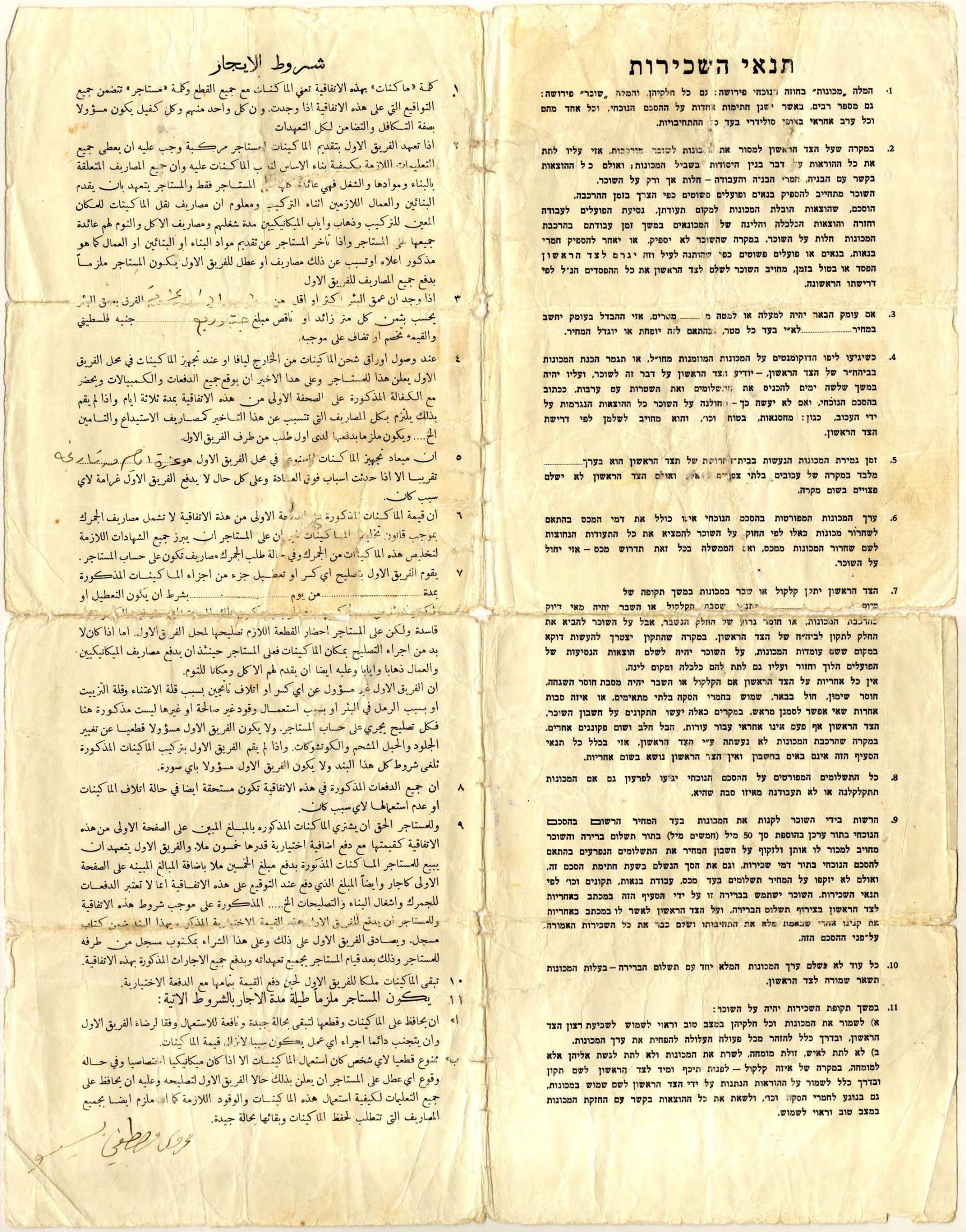
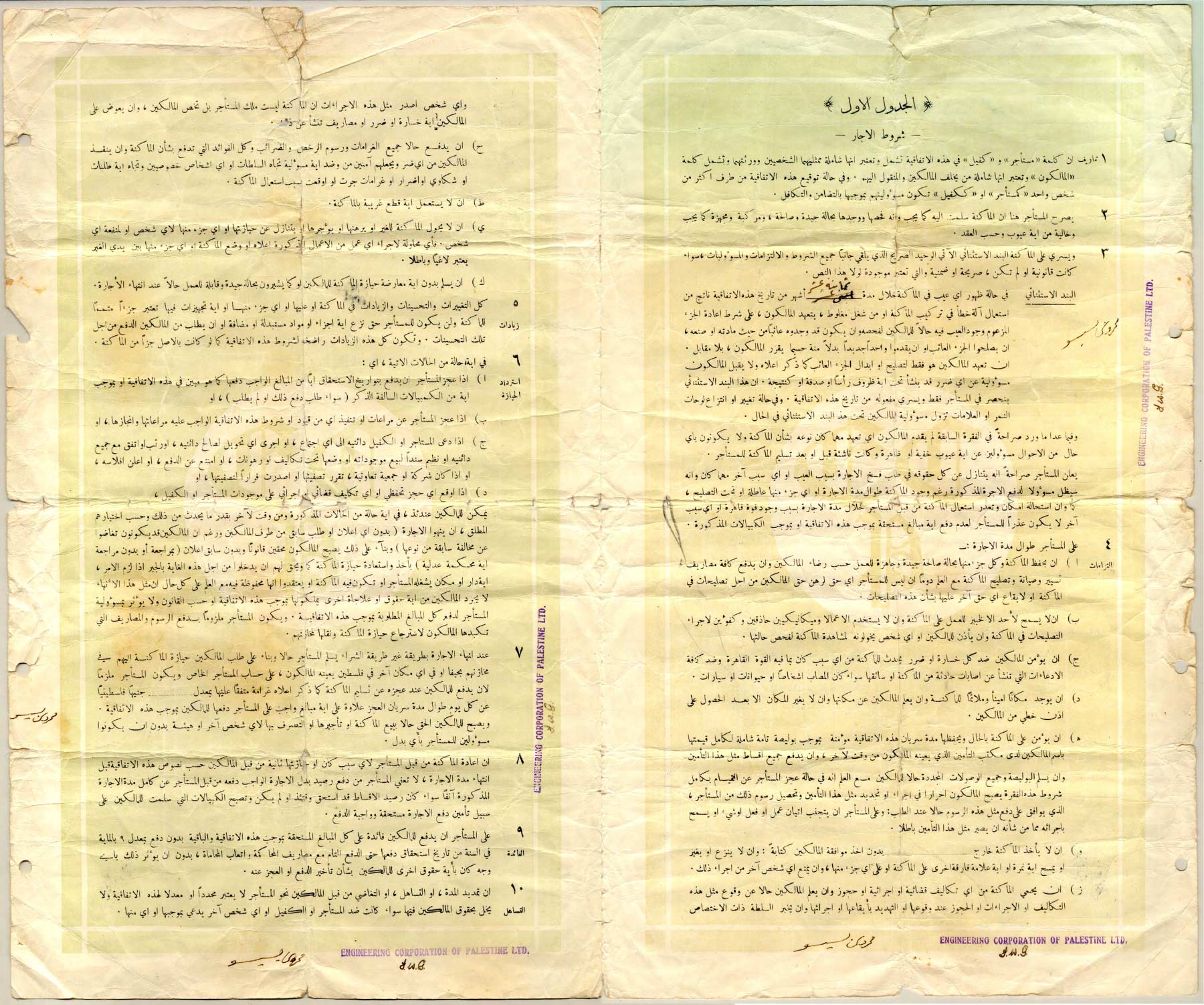
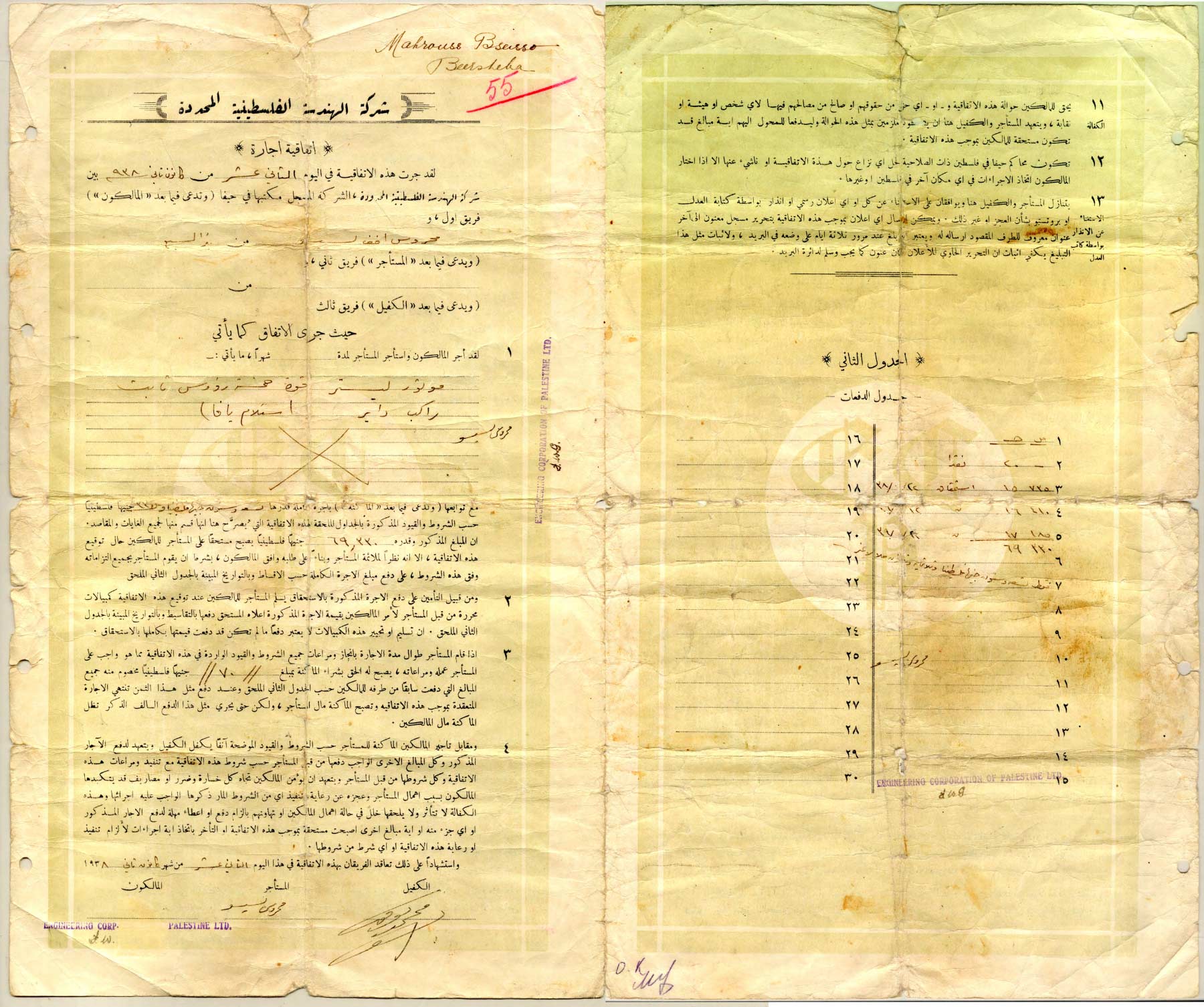
Nonetheless, Mahrous was at the forefront of the economic development in Palestine at the time. Documents 0052, 0055, 0018 and 0051, for example, give a glimpse of the state-of-the-art cutting-edge agricultural machinery he introduced to Bi’r Al-Sab’. Contracts and leases from The Jaffa Iron Works and the Engineering Corporation of Palestine give clues to his vision of bringing progress to Bi’r Al-Sab’ despite the political ever-increasing unrest that was brewing.

1940’s

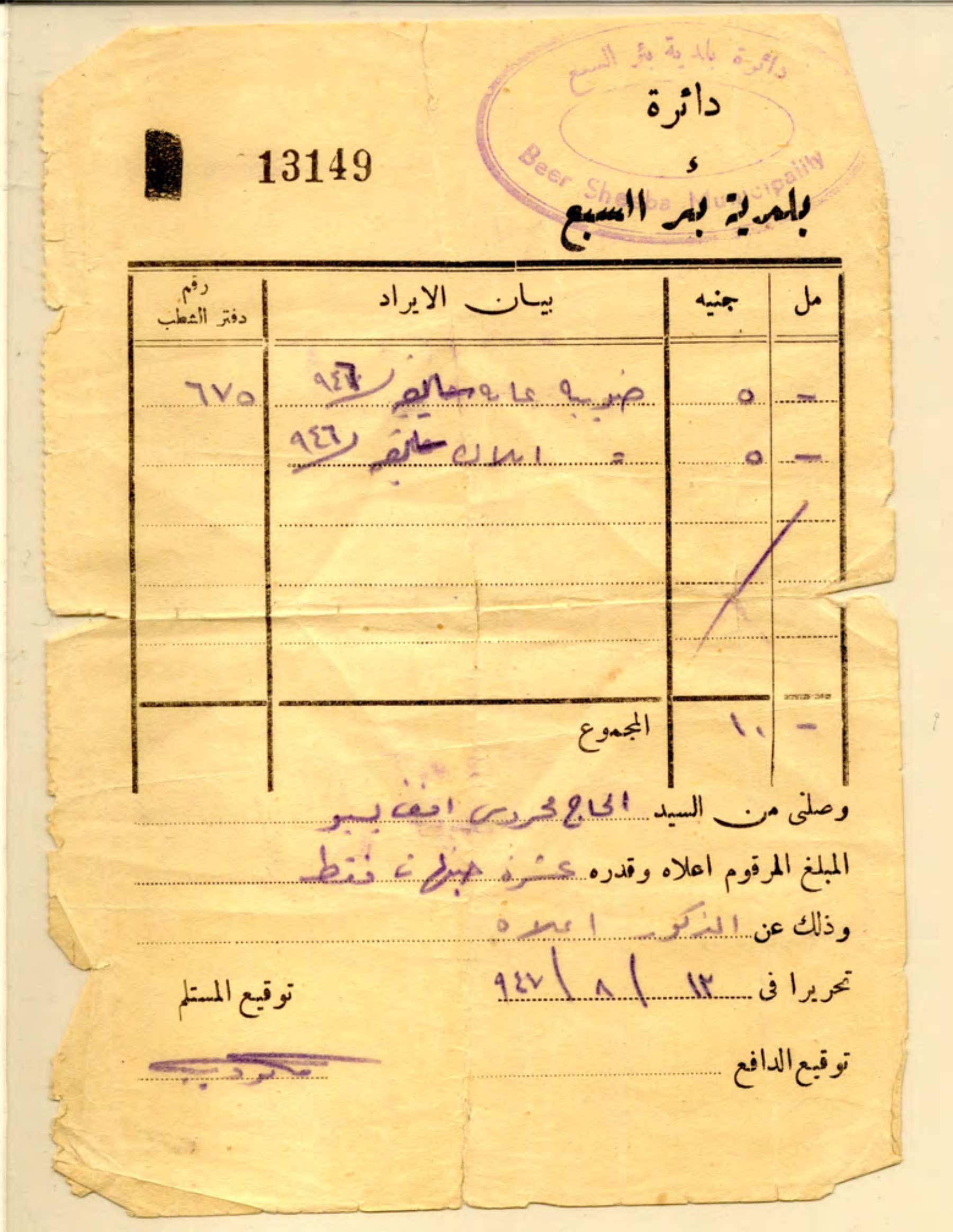
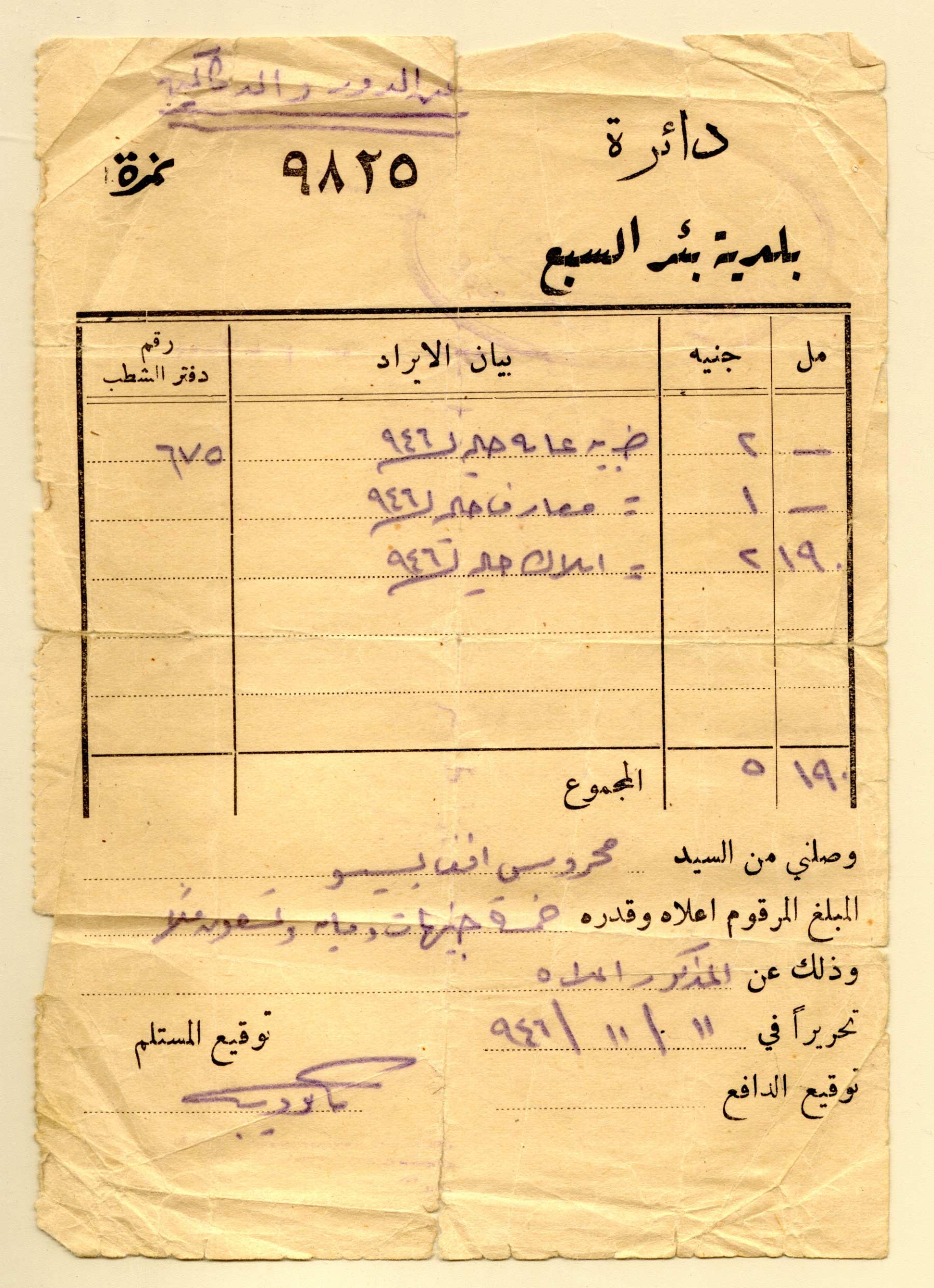
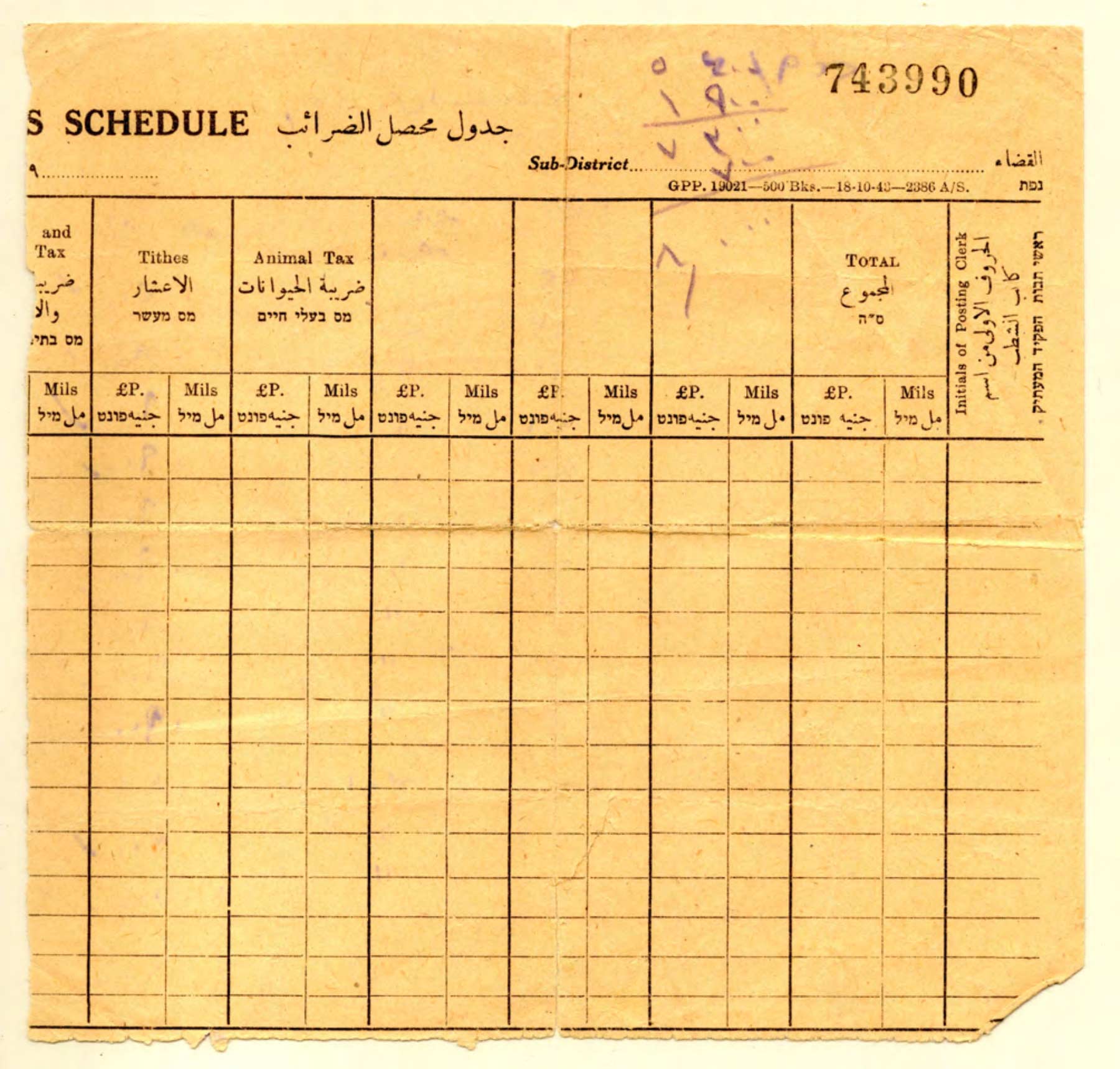
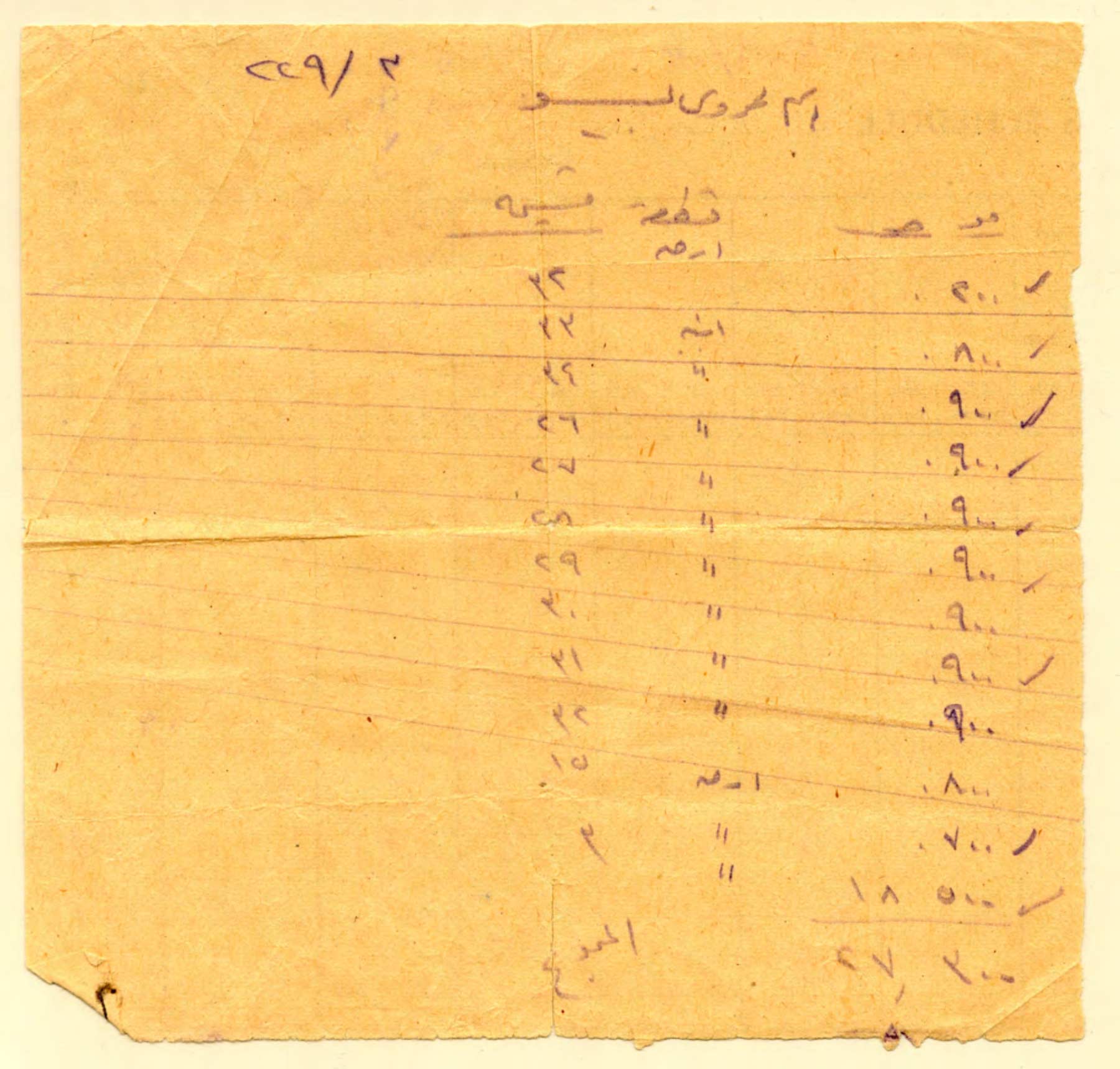
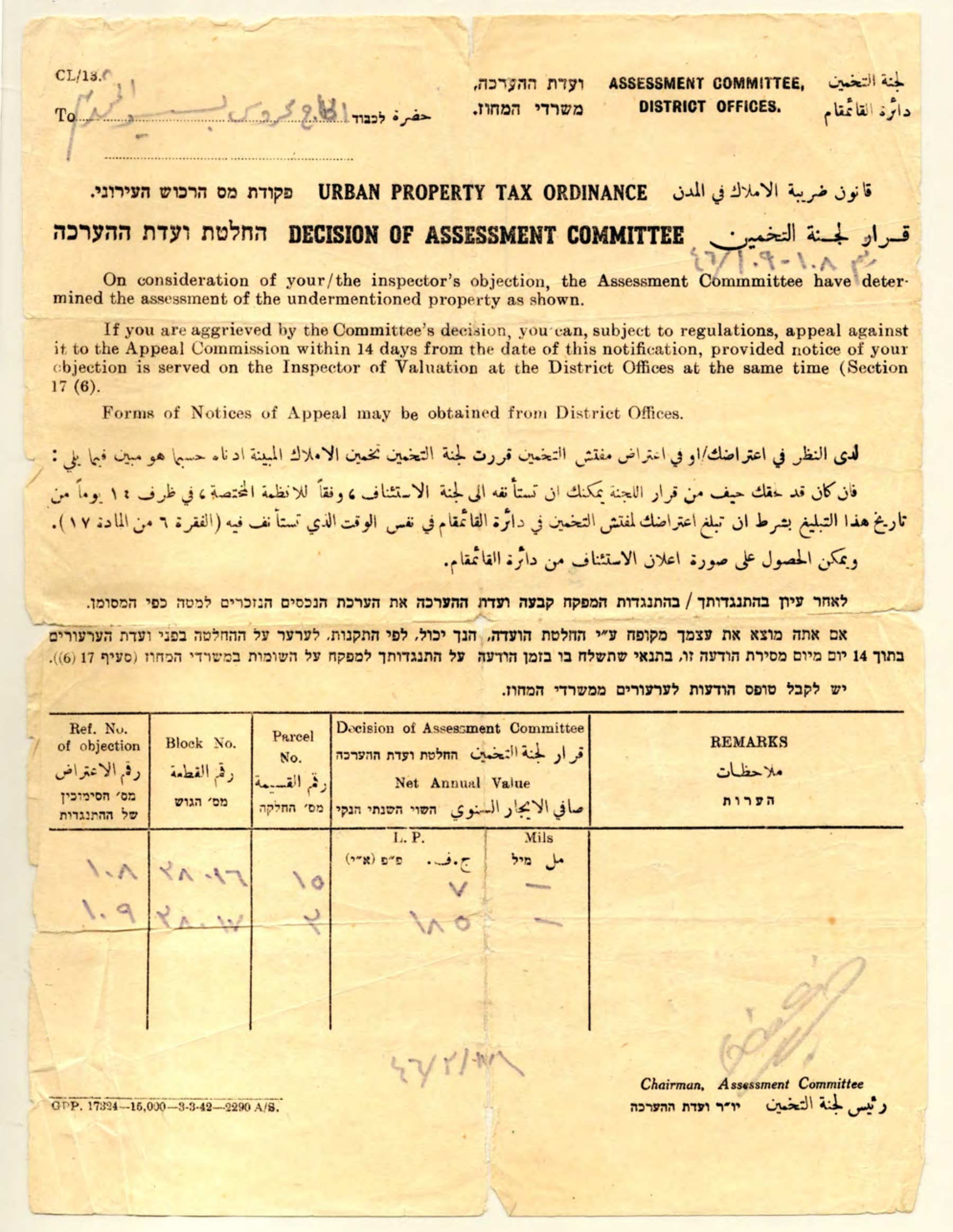
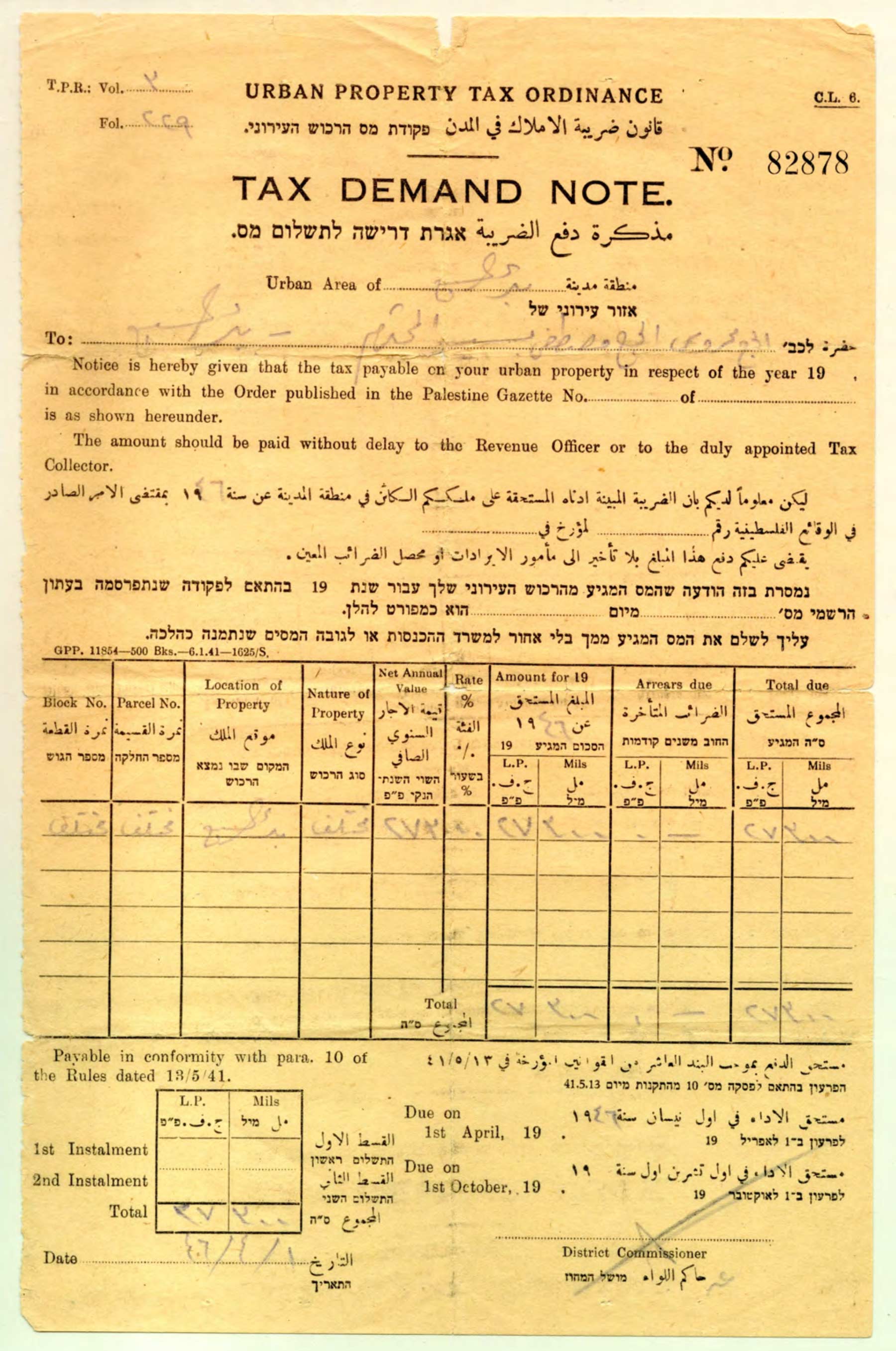
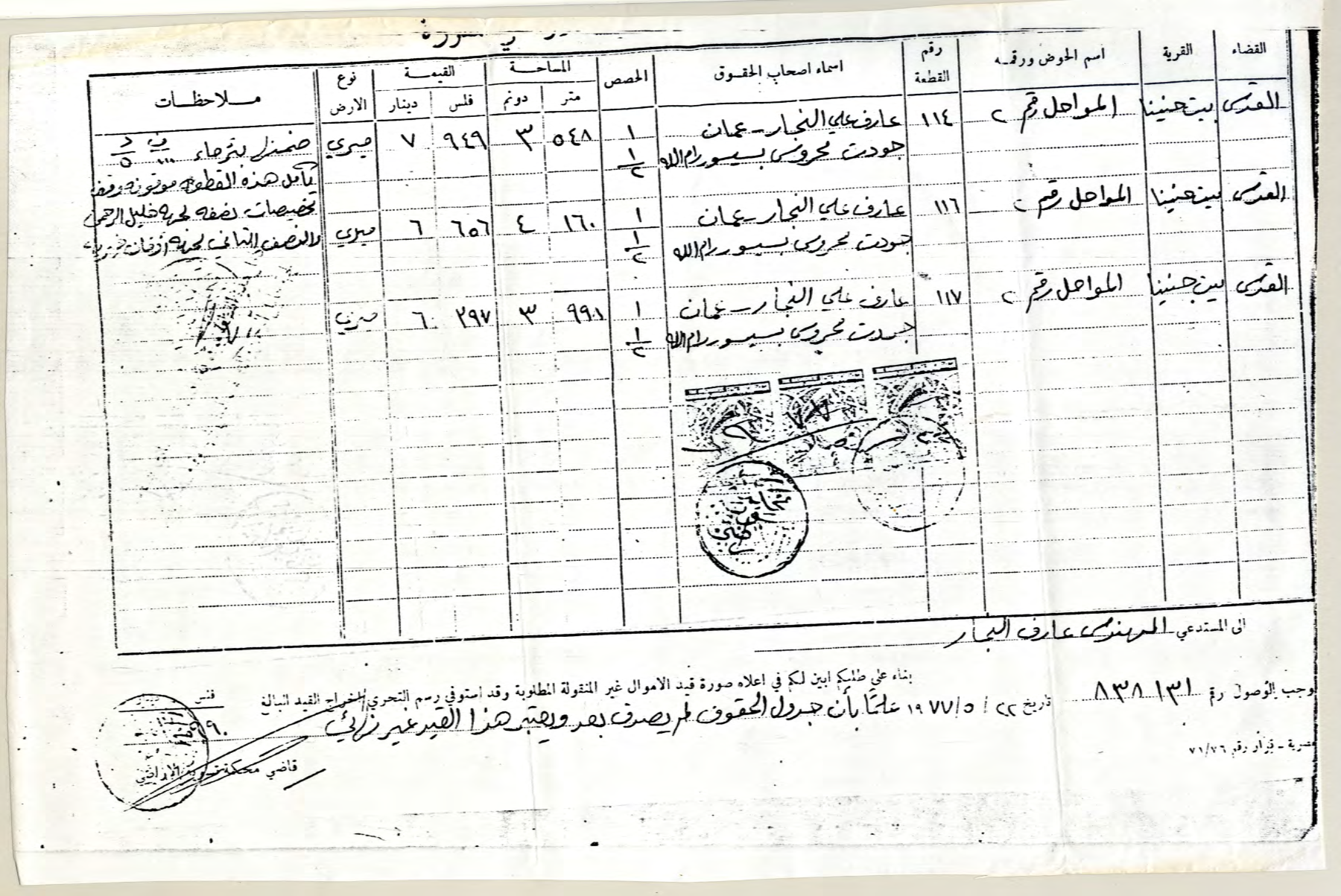
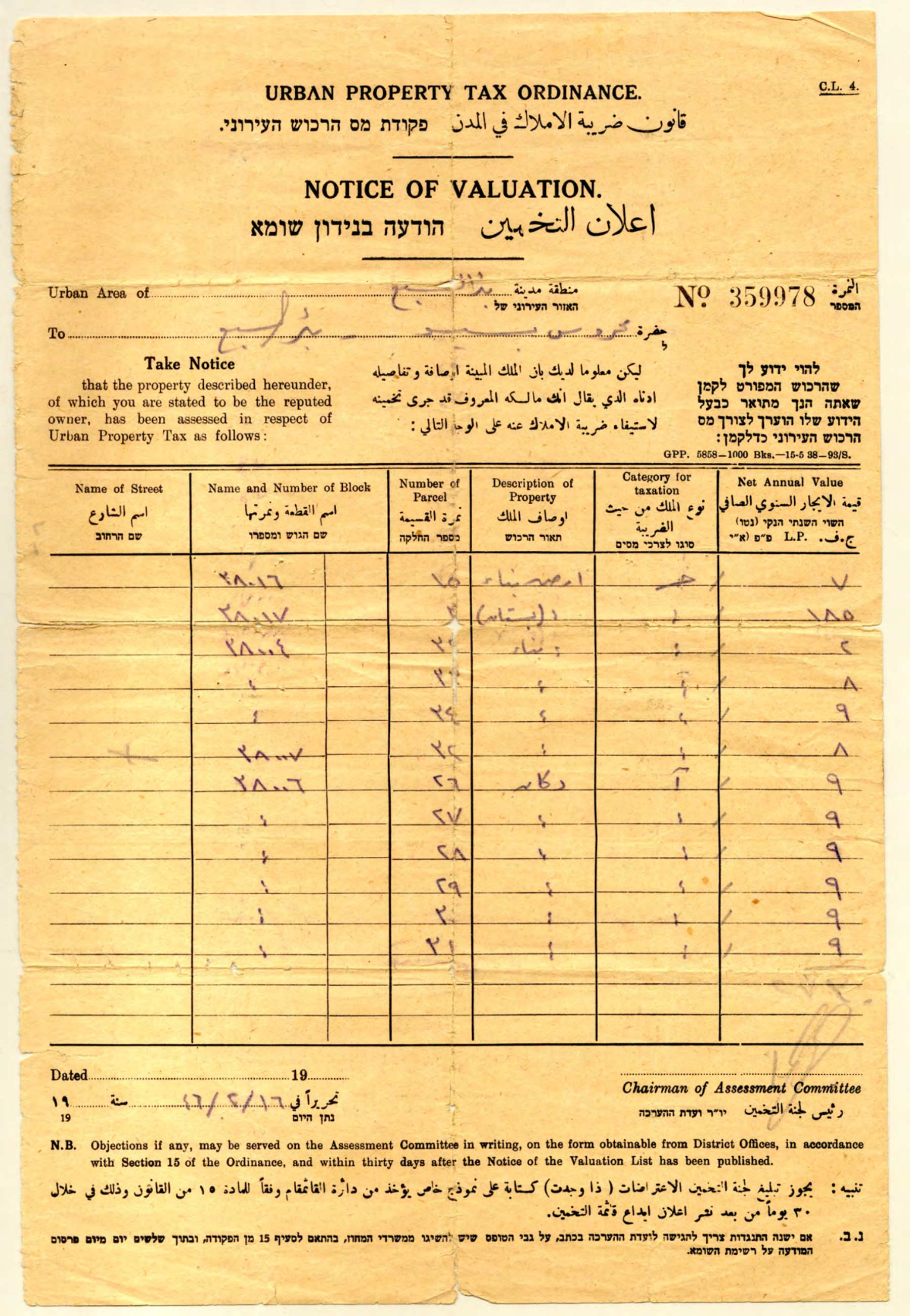
In reality, by the end of the 1940’s Mr. Mahrous was the main economic player in Bi’r Al-Sab’ . Documents 0013, 0031, 0004, 0019 show the large amount of property for which his business acquisitions paid taxes.

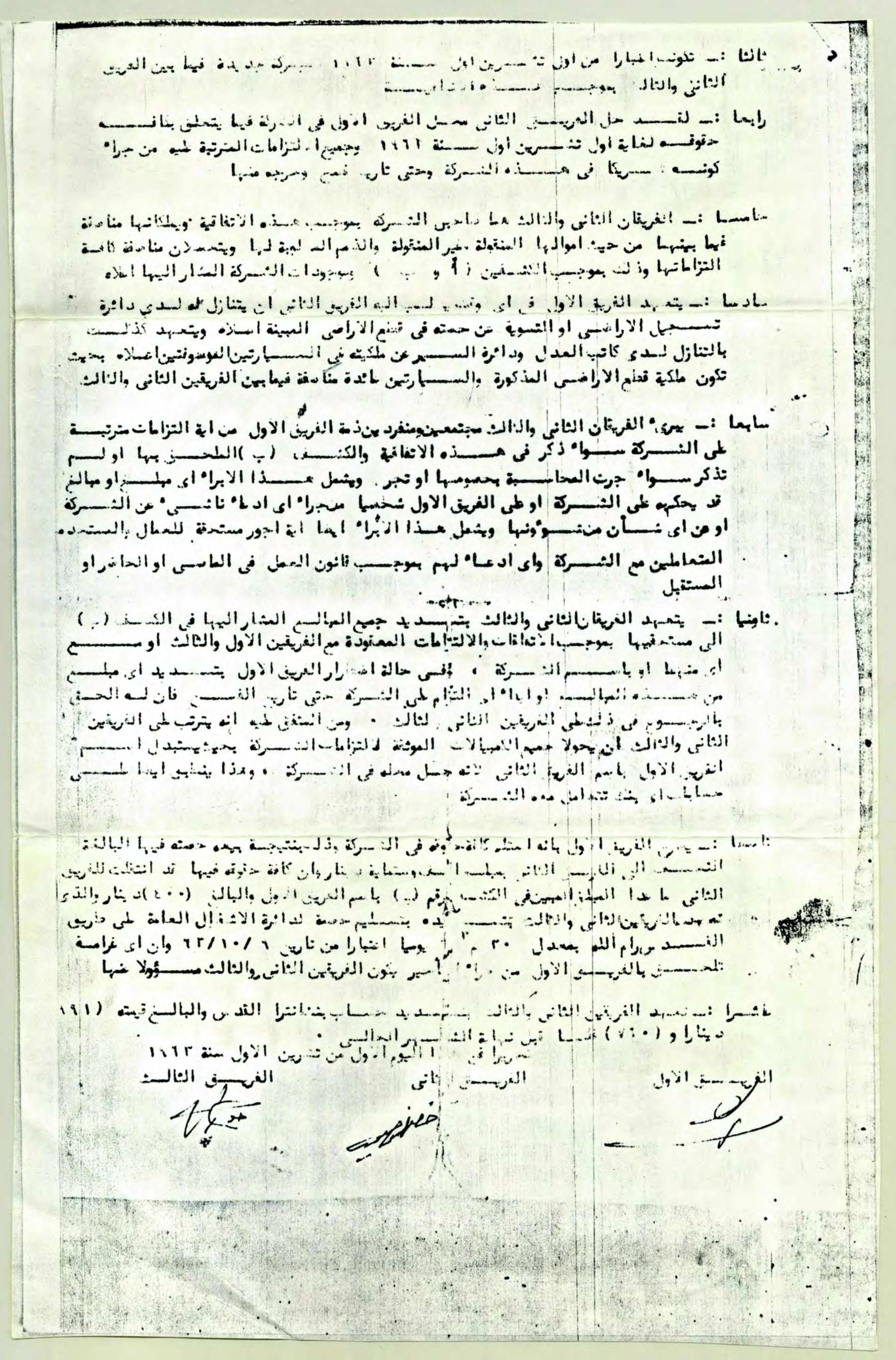
However, his successes in Bi’r Al-Sab’ were cut short by the 1948 war. Few documents narrate his business ventures afterwards, including 0032 which documents his founding of a company in the West Bank.

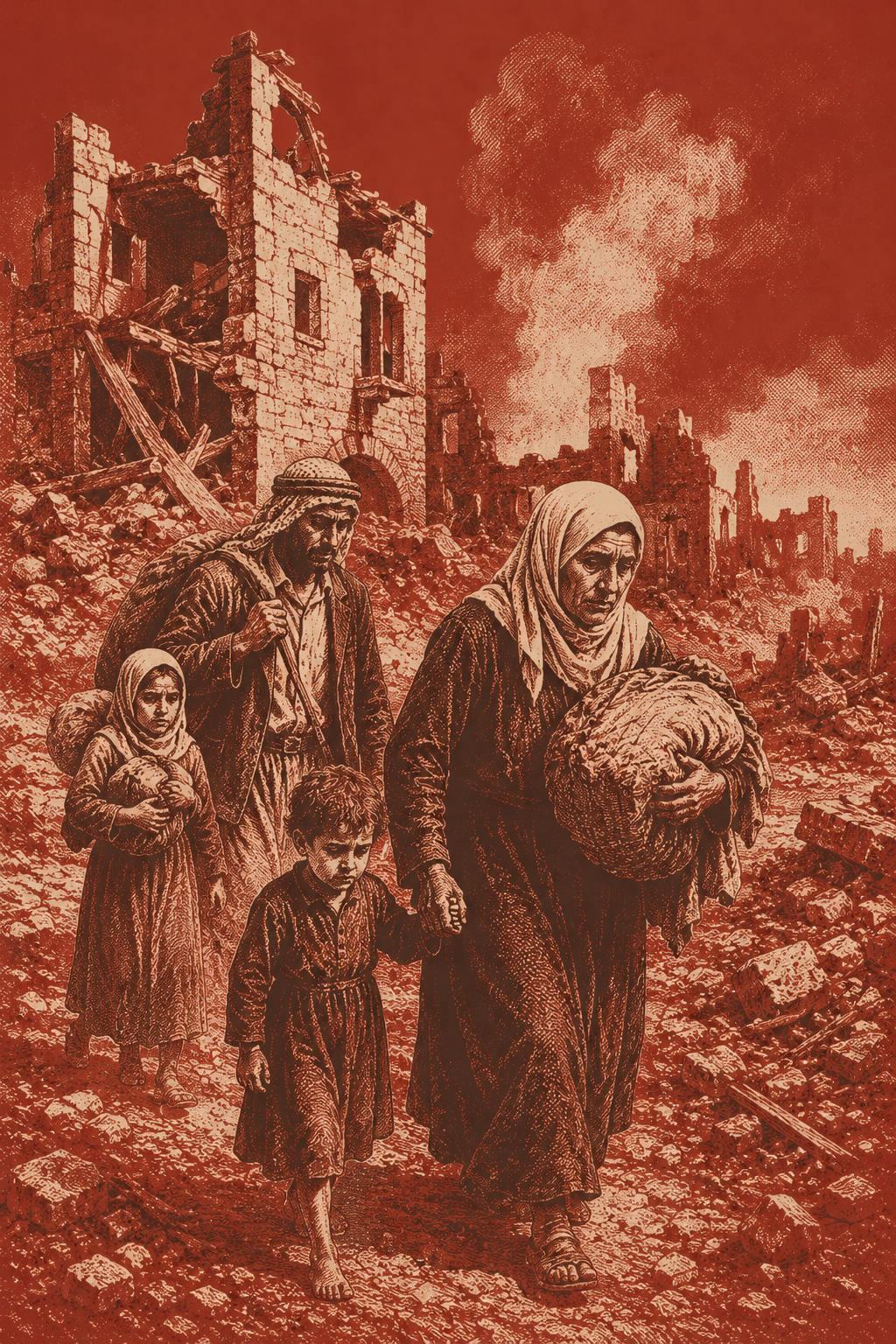
After the fall of Bi’r Al-Sab’ in 1948, Mr. Mahrous refused to give up his land and his successes. But he was forcibly removed from Bi’r Al-Sab’ to join the Palestinian diaspora.

Post 1948

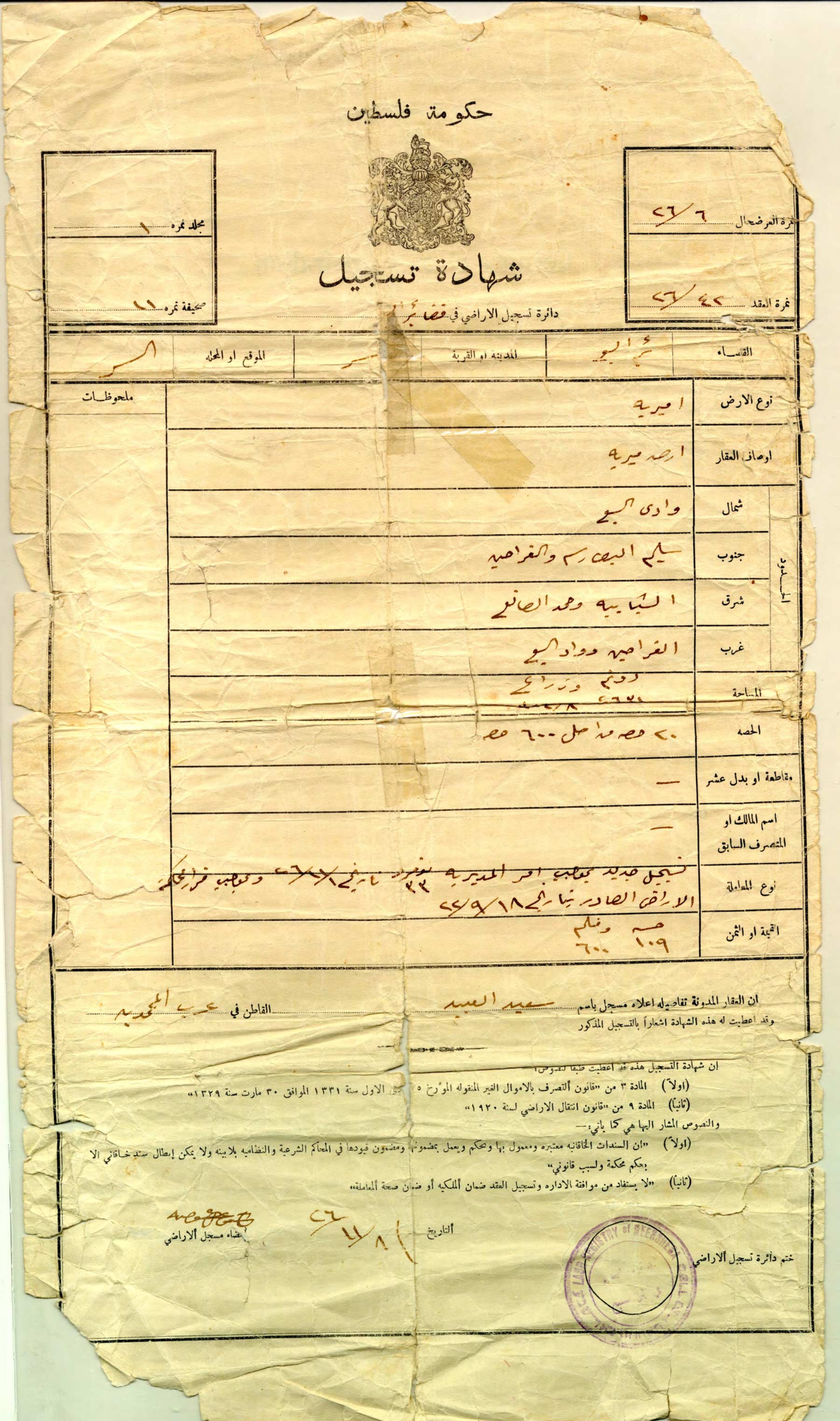
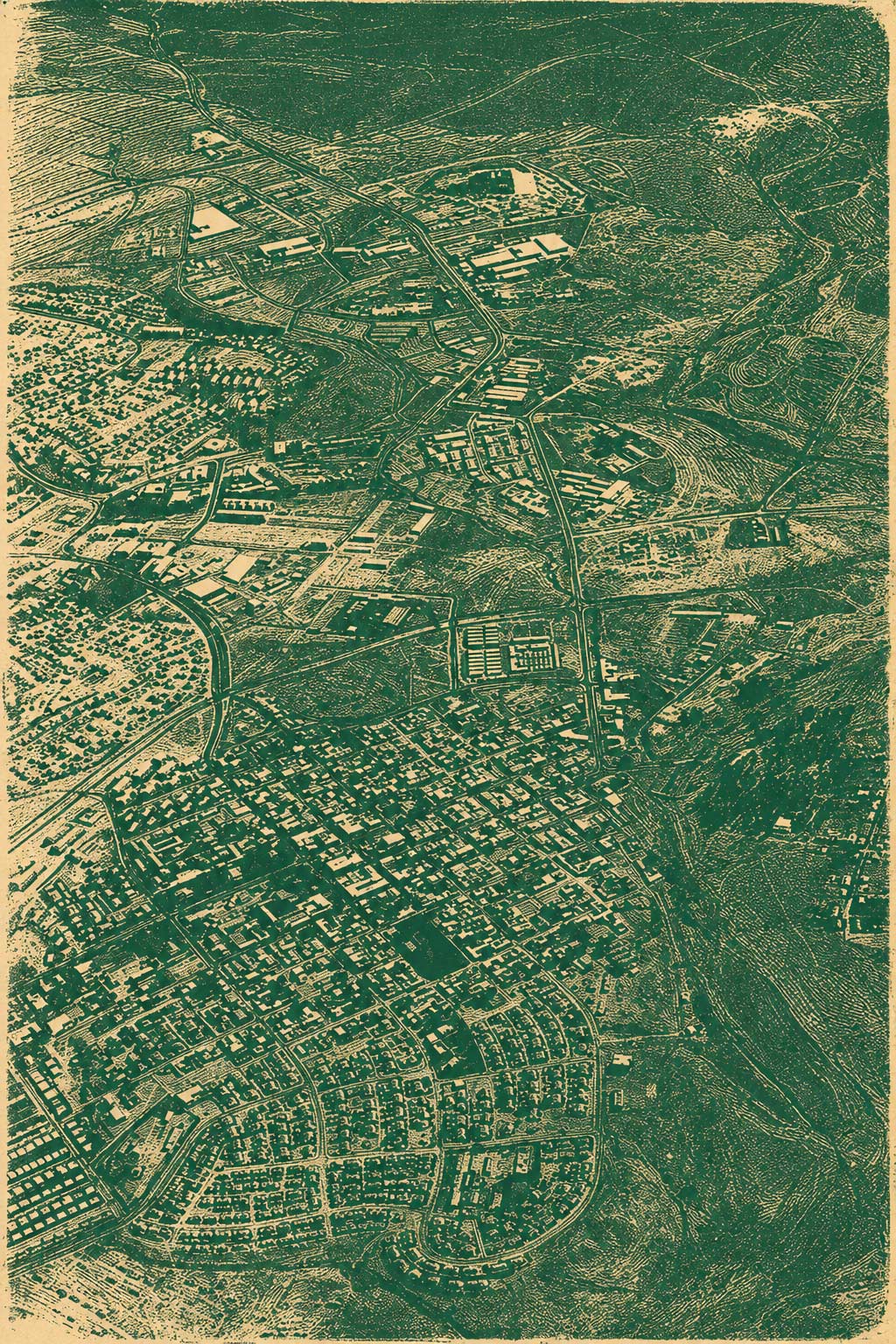
Mr. Mahrous couldn’t carry much while under the crosshairs of weapons. The few surviving documents before you show only a handful of his property in Bi’r Al-Sab’ that, if mapped, could mean he owned much of the city as it stands today. Bi’r Al-Sab’ was renamed to its current colonial name of Beersheba at this time.


Meet Mahrous

Mahrous Bseiso stands at the beginning of a story carried through land, family, and memory.

Mr. Mahrous was born to an affluent family in Jerusalem towards the end of the 19th century and the Ottoman rule to the region

His father, Mustafa Afandi, was a prominent pan-Palestine businessperson. The Bseiso family, to which Mahrous belongs, are a renowned elite family across the Levant and is a branch of the illustrious Kayali family. Mr. Mahrous had, therefore, multiple familial connections and exposure to business ventures in major Palestinian cities including Jaffa, Jerusalem, and Gaza.

Upon graduating school in Jerusalem, Mahrous started off his first successful business ventures in Jerusalem. He married and started a family of four in Jerusalem.
However, the astute businessman sought opportunities in the virgin lands of south Palestine and began scoping the towns and areas to the south of Jerusalem.

He finally decided on Bi’r Al-Sab’ with the vision of bringing this underexplored town to the ranks of such cities, like Jerusalem and Jaffa.

1900’s


In Bi’r Al-Sab’: the early years

In the early 1900’s, Mr. Mahrous relocated to Bi’r Al-Sab’ which, then, was the center of the Ottoman district of the same name. Mahrous was not alone there, for his uncle Sha’aban and some of his immediate family members started business opportunities there.

Beginning anew in Bi’r Al-Sab’, Mahrous remarried to Hajjah Jawaher Numan-Bseiso. They had eight children, one of whom was Jawdat who would accompany his father throughout the years.

The documents indicate that Mr. Mahrous bought a large piece of land, measured in the hundreds of dunams, in 1906 (0045)

The Ottoman land deed is the oldest surviving document from the Bseiso family collection. The date of this document reflects how successful his business was in Jerusalem and could signal the first steps towards bringing Bi’r Al-Sab’ into the currently known agricultural oasis. Throughout the 1910’s, Mahrous continued to acquire land and establish farms and plantations.

He oversaw such agricultural endeavors in person and made subcontracts to established farmers in the area to oversee their production. Documents 0027 and 0041 exemplify such subcontracts which involved the general public in his successes. His vision was to transform the modest desert outpost that is Bi’r Al-Sab’ into an industrial, agricultural, and democratic hub in the south of Palestine.

001 - Doc Description here

Documents


In Bi’r Al-Sab’:
the burgeoning success

Starting from the mid 1920’s, Mr. Mahrous’ business ventures were booming in Bi’r Al-Sab’. The documents show massive land acquisitions (e.g., 0025, 0030, 0012, 0035). One of the major land purchases was finalized in 1929 when Mr.

Mahrous purchased over 4631 dunams, a massive land area that measures around 1235 acres (see 0009). Moreover, Mr. Mahrous acquired most of the property of Mr. Hirzallah, another leading businessman in Bi’r Al-Sab’, in the 1930’s (see 0037, 0043, 0053, among others).

These lands were immediately converted into farms and mining operations. All of these land acquisitions were witnessed by the heads of tribes and pillars of the Bi’r Al-Sab’ society. Such surroundings surely indicate the increasingly advancing position of the burgeoning entrepreneur in the socio-economic ladder of the town.

1920’s

During these great successes, Mr. Mahrous maintained his philanthropist efforts that he cultivated in Bi’r Al-Sab’ and in 1929 he commissioned the construction of a drinking water in the center of Bi’r Al-Sab’ (see 0046).

The well that he financed was a major landmark in Bi’r Al-Sab’ and was repeatedly mentioned in books documenting Bi’r Al-Sab’ in that time period (e.g., the excerpt in document 0016). The Bseiso family, at large, were known for their humanitarianism. For example, one of the two mosques in Bi’r Al-Sab’ was financed by Mahrous’ brother, Eissa Bseiso. The family name itself comes from their grandfather’s benevolence to stray cats which he adopted in his wheat mills.


in addition to that, the documents further indicate that in achieving this success, Mahrous possessed admirable legal knowledge. The language and structure of the contracts that Mahrous wrote himself reflect his commendable prior education and knowledge that he, in his trailblazing efforts, applied in transforming a once-marginalized town to a thriving agricultural and economical hub in the south of Palestine.
Weathering
the storm

Palestine in the first half of the twentieth century was the center of turmoil that culminated in the 1948 war. Mr. Mahrous’ legacy documents reflect the changing political powers there.

One document in particular, 0005, shows that the sale transaction was conducted in various currencies that were in circulation in Palestine: a living manifestation of the ever-changing hands over Palestine.

Nonetheless, Mahrous was at the forefront of the economic development in Palestine at the time. Documents 0052, 0055, 0018 and 0051, for example, give a glimpse of the state-of-the-art cutting-edge agricultural machinery he introduced to Bi’r Al-Sab’. Contracts and leases from The Jaffa Iron Works and the Engineering Corporation of Palestine give clues to his vision of bringing progress to Bi’r Al-Sab’ despite the political ever-increasing unrest that was brewing.

1940’s

In reality, by the end of the 1940’s Mr. Mahrous was the main economic player in Bi’r Al-Sab’ . Documents 0013, 0031, 0004, 0019 show the large amount of property for which his business acquisitions paid taxes. However, his successes in Bi’r Al-Sab’ were cut short by the 1948 war. Few documents narrate his business ventures afterwards, including 0032 which documents his founding of a company in the West Bank.

After the fall of Bi’r Al-Sab’ in 1948, Mr. Mahrous refused to give up his land and his successes. But he was forcibly removed from Bi’r Al-Sab’ to join the Palestinian diaspora.

Post 1948

Mr. Mahrous couldn’t carry much while under the crosshairs of weapons. The few surviving documents before you show only a handful of his property in Bi’r Al-Sab’ that, if mapped, could mean he owned much of the city as it stands today. Bi’r Al-Sab’ was renamed to its current colonial name of Beersheba at this time.

Mr. Mahrous’ Legacy

After 1948, Mr. Mahrous’ health deteriorated. He was aided by his much-beloved son Jawdat Mahrous Bseiso(the father of Adel) who assumed the perilous responsibility of managing what had become the shattered fragments of Marhrous’ lifelong accomplishments.
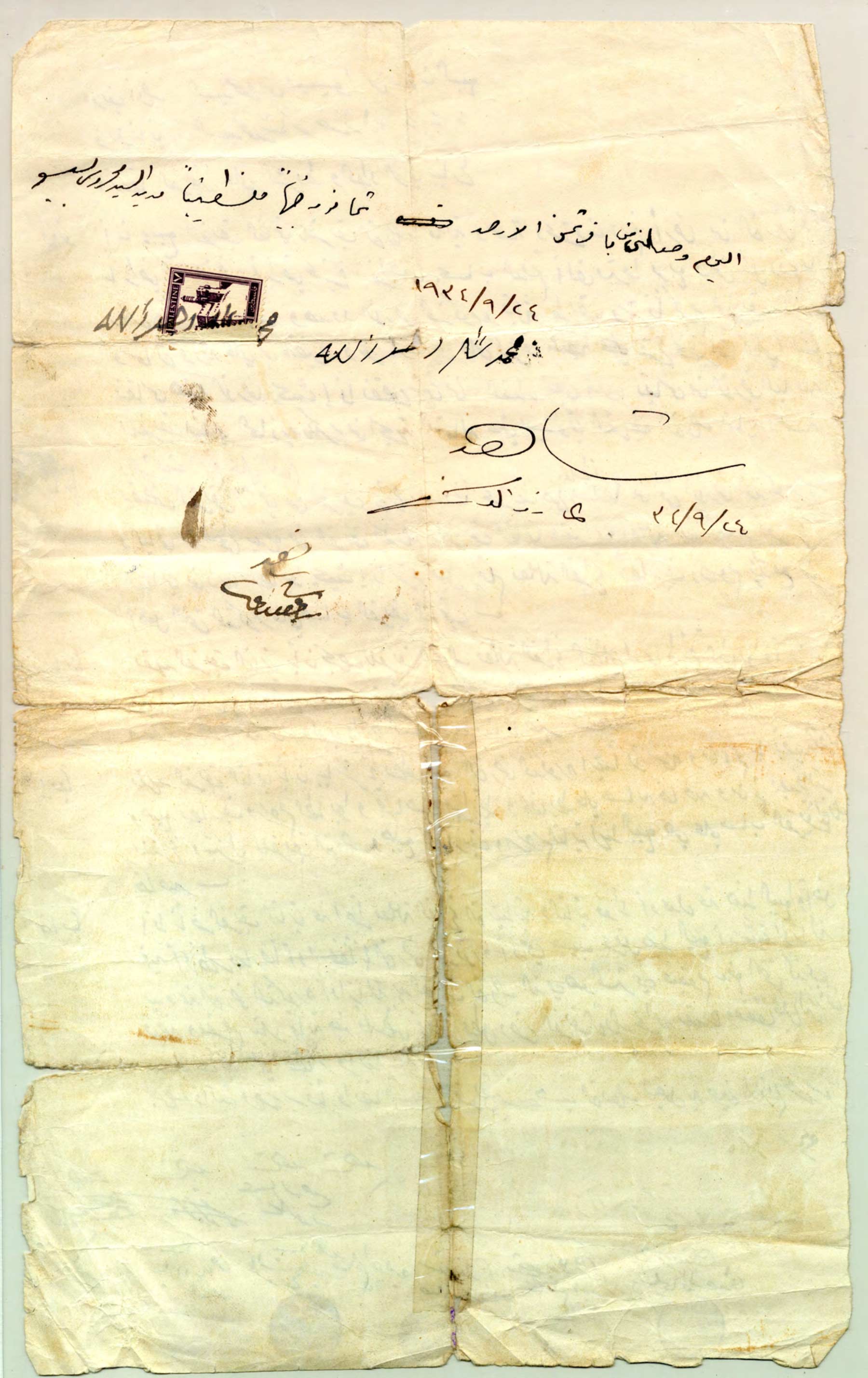
Jawdat was only 24 years old when he and his family became refugees in their own country, but Mahrous saw in him the rising star to resurrect his dreams that the war has decimated. Jawdat lived up to his father’s expectations and he persevered to carry on the legacy and altruism of his father despite the catastrophe.

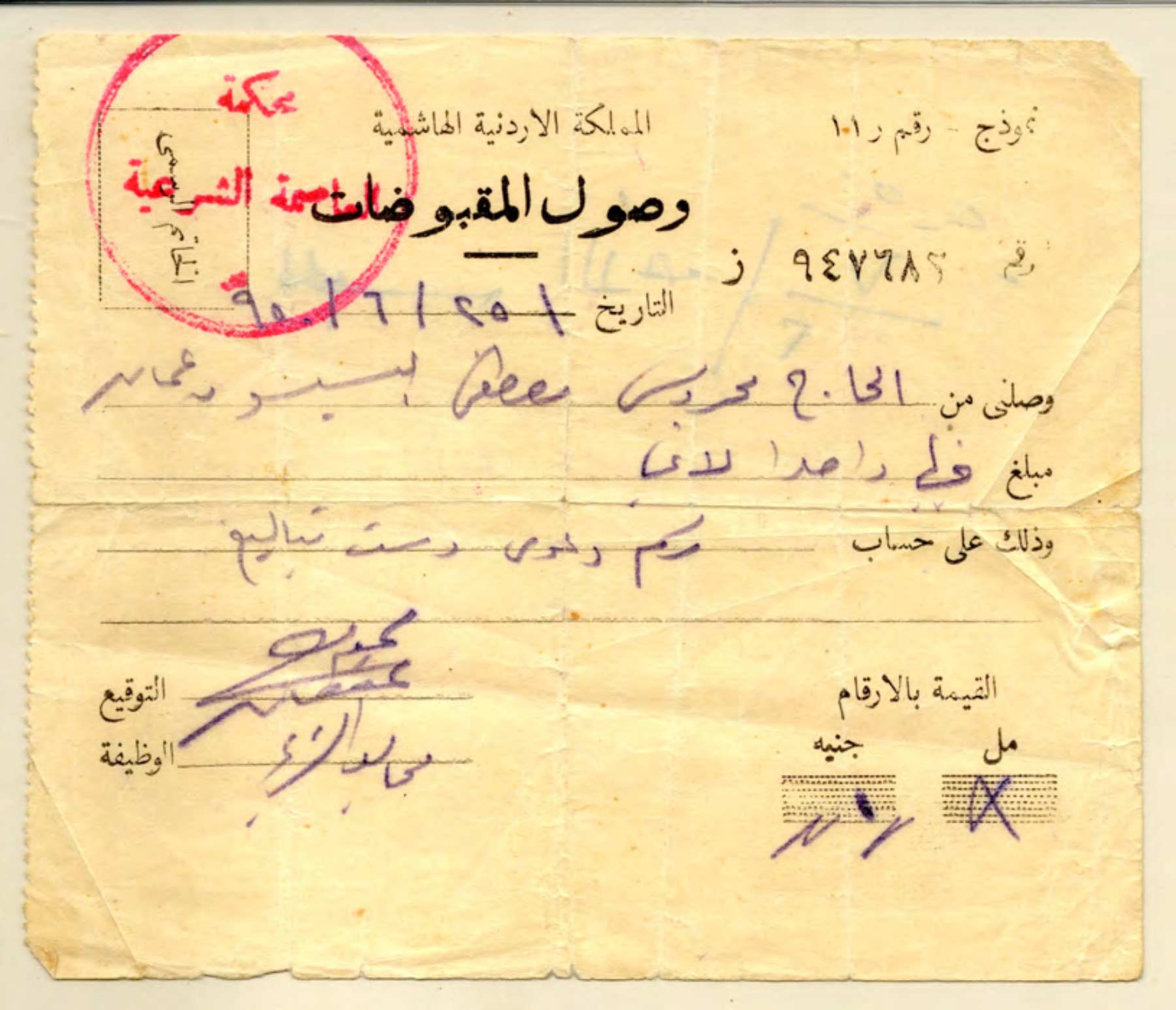
Mr. Mahrous passed away shortly after the 1967 war. He was interred to his final resting place in Ramallah in 1968. Despite the pain and suffering, Jawdat, Mahrous’ trusted companion in his final days, stayed the course. Evident in document 0047, Jawdat was maintaining and paying fees for a waqf in Jerusalem (a waqf is a land given out to charity, the one in the document further had a drinking water well for the public).

Nowadays, many of Mahrous’ descendants are well-known businesspeople, educators, musicians, politicians and philanthropists across the globe. As Mahrous bequeathed these documents to Jawdat, Jawdat endowed them to his son, Adel, who is now the trusted guardian of this invaluable archive.

 Documents .
Contracts & Agreements .
Land Deeds .
Tax Documents .
Receipts .